Venezuelan scientists develop controlled-release nanofertilizers to optimize agricultural production in Zulia
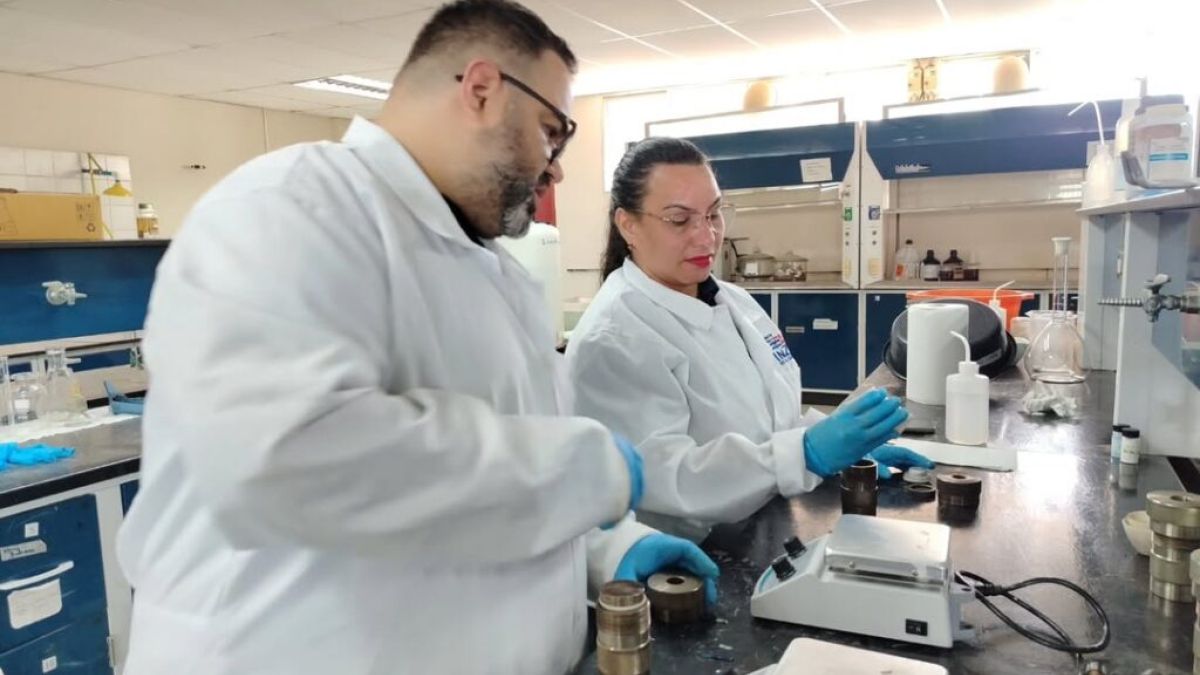
Photo: MINCYT
Published at: 08/06/2026 04:05 PM
To mitigate one of the main problems in the agricultural sector, the loss of nutrients due to leaching after irrigation or rain, the Zuliano Institute of Technological Research Foundation (INZIT) is making progress in the development of efficient technological alternatives that improve the availability of micronutrients in the soil and reduce environmental impacts.
Dr. Sabrina Acevedo and engineer Enmanuel Luzardo, from the institution's Coordination for the Use of Waste and Industrial By-Products, are in the phase of optimizing parameters for obtaining copper oxide nanoparticles through hydrothermal synthesis, a process that allows us to control the size and properties of nanostructures for agricultural use.
This scientific project, according to a press release from the Ministry of Science and Technology (MINCYT), evaluates nanoparticles as controlled release nanofertilizers, integrating them into a chitosan matrix.
Chitosan, a natural polymer, acts as a container agent that allows the gradual dosage of the micronutrient into the soil, which prolongs its availability in the face of the rapid loss that occurs with conventional fertilizers.
“Unlike traditional fertilizers, this mechanism ensures the availability of the element in the earth for significantly longer periods of time,” said Dr. Acevedo.
As a direct consequence of this technology, a significant decrease in the frequency of application of the product to crops is projected, which optimizes operating costs for producers and reduces the environmental impact on nearby soils and bodies of water.
Greater efficiency in the delivery of nutrients can translate into better yields and more sustainable and environmentally responsible agricultural practices.
Through these lines of research, the INZIT Foundation reaffirms its commitment to the development of applied science and the delivery of technological services that strengthen the country's food sovereignty.
Mazo News Team