MERCOSUR closes ministerial meeting in Montevideo without consensus on export quotas to the EU
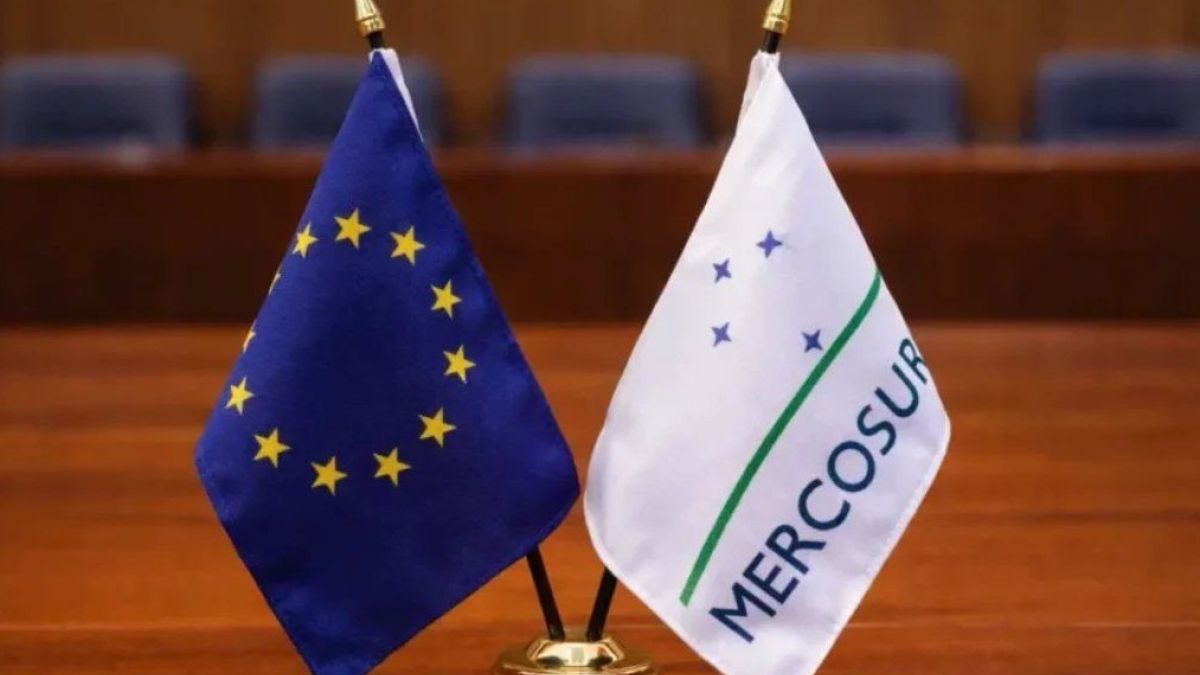
Photo: Internet
Published at: 03/09/2026 01:40 PM
The foreign ministers of the member countries of the Common Market of the South (MERCOSUR) completed an informal meeting in the city of Montevideo, Uruguay without reaching a definitive agreement on the distribution scheme of export quotas destined for the European Union (EU) with tariff benefits.
In the absence of consensus, the pro tempore presidency in charge of Uruguay entrusted technical delegations with drafting proposals with unified criteria to unlock talks within the bloc.
As reported by the Xinhua news agency, the main point of contention lies in the position held by Paraguay, a nation that proposes an equitable distribution of 25 percent of the quotas for each full member of the regional unit.
The international media office highlighted that this approach contrasts with the shared position between Brazil, Argentina and Uruguay, so the heads of South American diplomacy agreed to schedule a new face-to-face appointment in Uruguayan territory within 45 to 60 days to review the technical reports.
During ministerial deliberations attended by representatives from Argentina, Brazil, Paraguay, Uruguay and Bolivia in the accession phase, the host foreign ministry emphasized that the trade mechanism in force since May has generated significant revenues for their country, exceeding 12 million dollars due to tariff advantages and another 15 million dollars due to the allocation of quotas. The institutional agenda will continue towards the end of the year with the holding of a business forum in Punta del Este and the summit of heads of state in December.
Along with the debate over quotas, South American representatives expressed concern about the health restrictions imposed by the European bloc, which represent an obstacle to the smooth exchange of goods.
The consolidation of this regulatory framework is strategic for both regions, as it articulates a market that encompasses more than 750 million people and accounts for about 20 percent of gross domestic product on a global scale.
Mazo News Team