Ismael Querales set off to another level with his band, leaving his music as a legacy
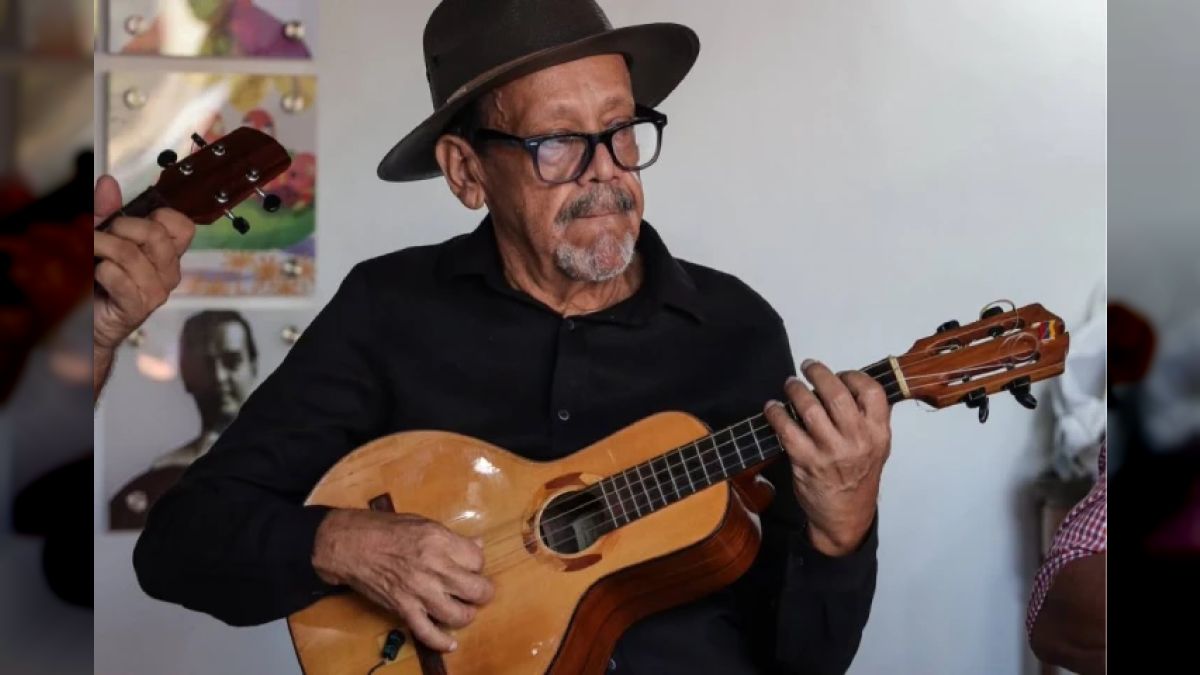
Internet photo
Published at: 21/09/2026 10:06 AM
The musician, composer,
singer and researcher, José Ismael Querales, set off with his band to another plane on
the night of this Sunday, September 20, but he leaves a deep mark and a musical
legacy in the recent history of national culture.
Born in Caracas in 1953 and
recognized with the 2021-2022 National Culture Award, Querales dedicated more than
five decades to preserving, studying and renewing the country's popular sounds.
He also devoted
much of his career to the Venezuelan band in its llanera,
central and eastern variants. His work as a performer and researcher allowed him
to explore the expressive possibilities of this instrument and, at the same time, to build
bridges between tradition, joropo, popular songs and new musical
searches.
His name was also linked to
important Venezuelan music projects, such as Un Solo Pueblo, a
group of which he founded and from which he contributed to the dissemination of traditional expressions in
the country.
In addition, he participated in
initiatives such as Venezuelan Popular Song, Pasacalle, Rucaneo del Mabil,
Cántaro and the National Foundation for the Development of Traditional Culture (FUNDATRADICIONES).
In turn, he created La Banda de la Bandola and developed the Mastranto
Jazz proposal, from where he took the instrument to new spaces for sound experimentation
.
As a composer, he left pieces
that are part of his artistic legacy, including Suite Gallinacea,
La Mañosera de Guama, Un Segundo de Lucero, Flores para
Juan Esteban, La Niña Azul, El Vuelo e' la Pájara and A Luis Miranda.
His recording career was
also marked by collaborations with leading exponents of Venezuelan and Caribbean
music, including Luis Mariano Rivera, Cecilia Todd,
Lilia Vera, Ilan Chester, Simón Díaz, Gualberto Ibarreto, Serenata Guayanesa and Francisco Pacheco.
In addition to creation and
interpretation, he added important pedagogical work as an instructor of bandola,
maracas and traditional singing, with which he contributed to the formation of new
generations of musicians and cultivators.
With his departure, Venezuela
dismisses an artist who made the band a way of counting and feeling the
country. His legacy remains in his compositions, recordings, research and
teaching, but also in the musicians he formed, in the groups
he helped to build and in those who found in his work a way to approach
Venezuelan memory and musical identity.
MINCULTURA/Mazo News Team