José Ángel Lamas: The Immortal Legacy of Sacred Music in Venezuela (+Christmas)
Internet
Published at: 02/08/2025 08:32 AM
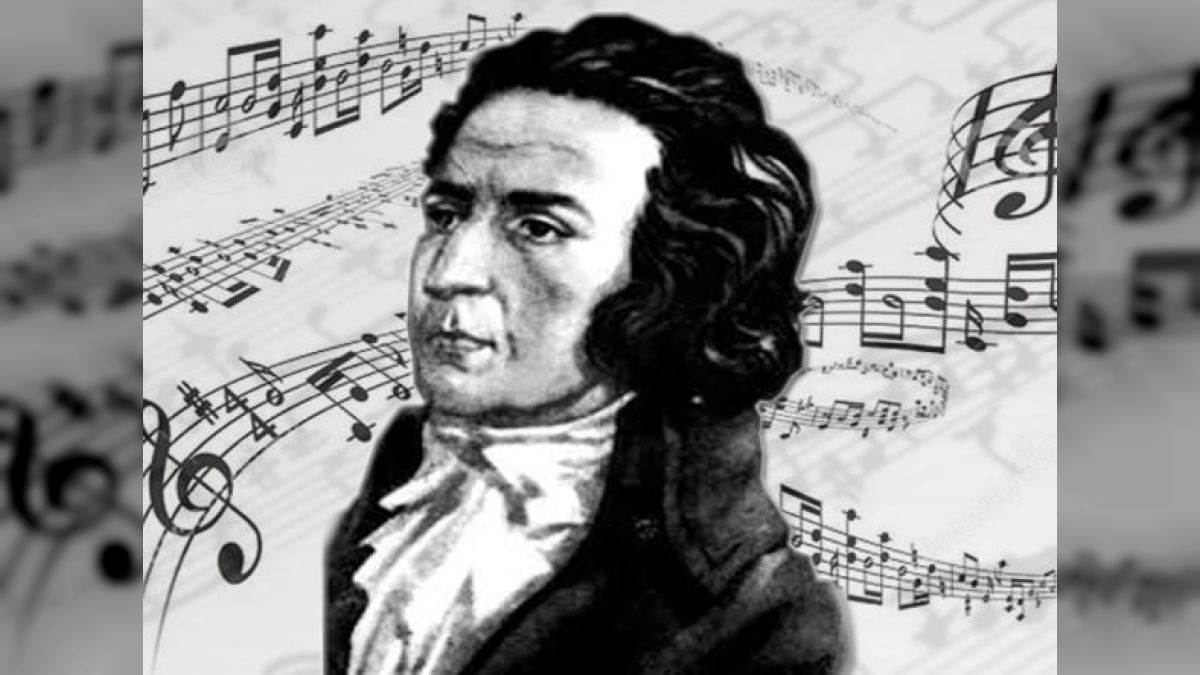
On August 2, 1775, one of the greatest musical exponents of Venezuela, José Ángel Lamas, was born in Caracas, who developed a musical collection of incalculable value, because in his love for composing and performing, he made an imminent contribution to the country's musical history. The fact is that this representative of classicism in the country is the intellectual author of the piece Popule Meus, the most important in the entire provincial territory and the best known worldwide, composed in 1801 to be premiered specifically at the Cathedral of Caracas.
Lamas was a composer from a very young age, dedicated entirely to music. His teacher was Juan Manuel Olivares, who transmitted to him the knowledge provided by Father Sojo at his School in Chacao. He was part, together with Juan José Landaeta, Cayetano Carreño and Lino Gallardo, among others, of a generation of excellent musicians.
Although very little is known about the life of this great colonial musician, some of his most emblematic musical works are known: The Prize for Your Virtues, Sepulto Domino, Misa en Re, Ave Marís Stella, Benedicta et Benerabilis and the aforementioned Popule Meus, the only musical work in the colony that has not stopped performing for a single year, during Holy Week, in churches all over the country.
Without a doubt, Lamas was as the poet Hugo Álvarez Pifano says in his writing The Light of the Disappeared Stars, although his remains disappeared, it is like the missing stars that “continue to travel to infinity showing their splendor... we don't even know where his remains have gone, but the music he composed shines like the light of the disappeared stars, always accompanying Venezuelans during the Major Week”.
Mazo News Team