Sandinista Revolution: The victory of a people that continues to defend its sovereignty
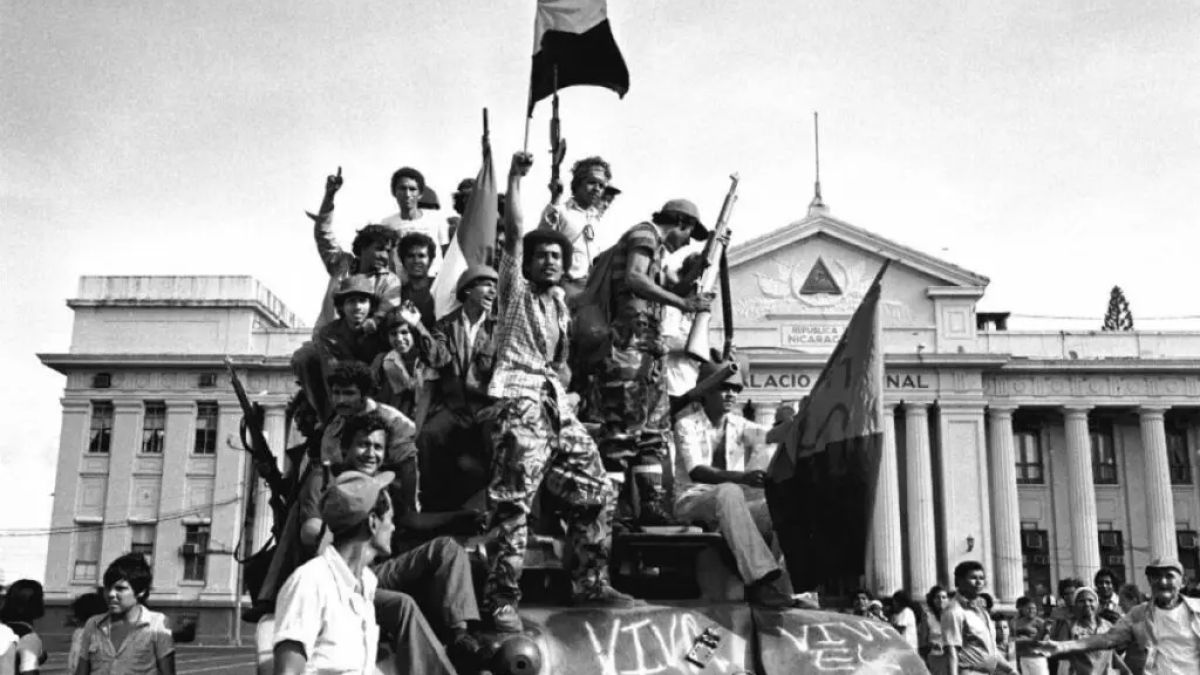
Courtesy Internet
Published at: 19/07/2026 08:48 AM
On July 19, 1979, the fighters of the Sandinista National
Liberation Front (FSLN) entered the city of Managua victorious, after years
of fighting against the
military forces of Anastasio Somoza, an agent of imperialism who descended from a family that had exercised power in Nicaragua since 1936.
In the
midst of the excitement of a town that saw the end of more than 40 long
years of repression, persecution and death, the leaders of the FSLN arrived in Managua
to establish a Government Junta for
National Reconstruction, which would be headed by the guerrilla commander, Daniel
Ortega, who at only 34 years old, led the execution of a series of measures aimed at initiating the transformation of the State and turning government action in the direction of
benefit the people.
This revolutionary
victory meant for Nicaragua the birth of the Sandinista Revolution
process, which managed to reduce
illiteracy rates from a very high 50.3% to 12.9% in just six months; the
construction of more than two thousand new educational centers at all
levels, five new large hospitals were built and poliomyelitis was eradicated and measures were implemented to favor
the country's peasants and workers.
47 years after this triumph, the Sandinista
people raise the flags of rebellion that gave them their
freedom, to continue fighting
against imperialism, which once again, as it did in 1990, is
trying to put an end to this social justice project that was recovered
by the conscience of Nicaraguans who today say to imperialism and its lackeys “They will not return!”
“Here is a people, who, as Darío
said, knows how to lift the olive tree of Peace and, when this town is
touched, attacked, and humiliated, then this town
raises the steel of war, as Rubén Darío said, to defend us!
not to attack anyone.” Daniel Ortega.
Mazo News Team