By closing “loopholes” in sanctions against Moscow, the EU creates difficulties for its own companies
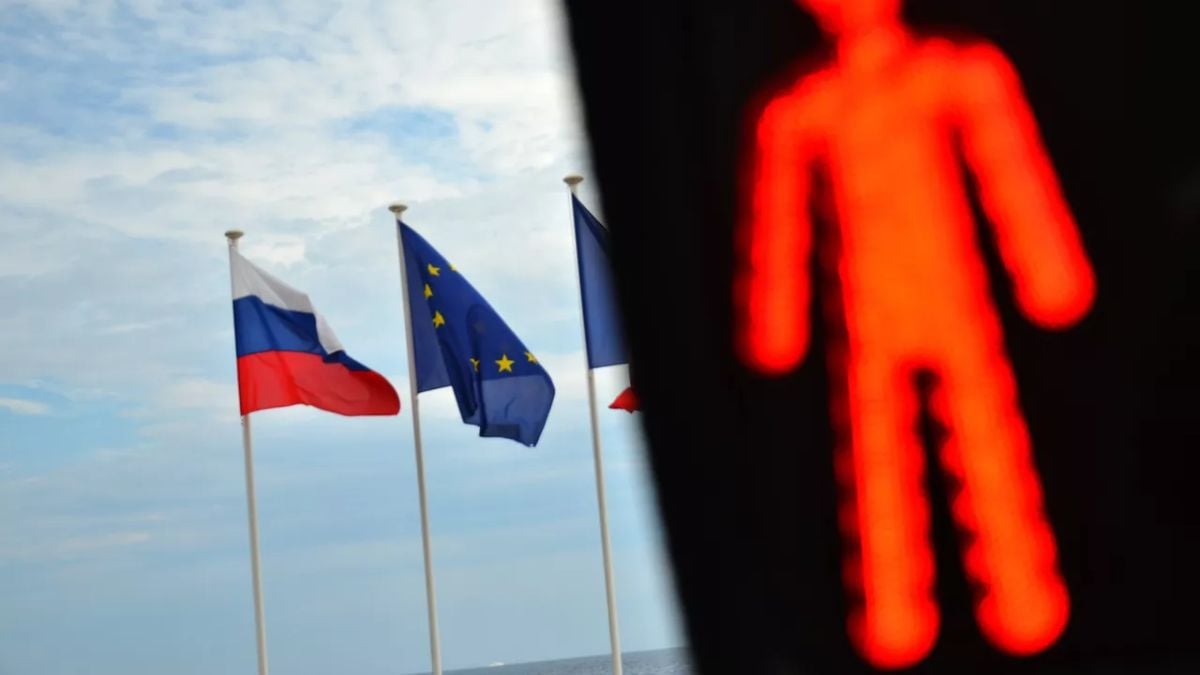
Courtesy: Sputnik
Published at: 23/04/2024 11:17 AM
Attempts by European Union authorities to eliminate legal loopholes that allowed multinationals to continue operating in Russia despite sanctions, created problems for European companies, writes the 'Financial Times'.
Many multinationals in sectors such as pharmaceuticals, retail and manufacturing are still active in Russia even after the imposition of restrictions, thanks to a special exemption provided by Brussels: companies were allowed to continue providing professional services (accounting, management consulting, legal support, etc.) to their own branches located in Russia, explains the British newspaper.
But with the new decision of the European Commission, companies will no longer be able to obtain it automatically and will have until June 20 to obtain special authorizations from their national authorities for each type of service they provide to their subsidiaries.
As a result, the Financial Times continues, companies now have to hastily review their service systems for foreign branches to obtain the necessary documents in time.
Some experts, quoted by the media, warn that closing this “loophole in the exemption system” will only create an unnecessary bureaucratic burden.
“There was no reason to eliminate the exemption for European subsidiaries (...) Nobody wanted to throw these companies into the arms of Russian consultants,” said the executive of a European company in Moscow.
There are also analysts who suggest that “there is a lot of speculation about what the EU intended to achieve” by closing the loophole.
For example, in the opinion of Michael Albrecht vom Kolke from the US law firm Skadden, this is “a kind of inventory in which the EU tries to understand how many entities are still active in Russia”.
In addition, although some companies will receive the necessary authorizations, it is likely that others will simply transfer the necessary functions outside the EU, or place their subsidiaries in the hands of Russian service providers, the paper concludes.
Despite Western pressure from sanctions against Russia after the start of the military operation in Ukraine, and subsequent declarations of leaving the Russian market, most Western companies did not want to lose that large market and are still operating in the country, confirmed Robyn Dixon of the Washington Post.
For example, by November 2022, less than 9% of Western companies with subsidiaries in the country had left Russia, while some businesses “gained a greater market share as their competitors left,” the article states.
On the other hand, those that came out would have lost more than 107 million dollars, according to an analysis by Reuters, based on accounting records and company statements.
In turn, Russia has repeatedly stated that the country will face the sanctioning pressure that the West began to exert on Moscow years ago and continues to intensify. Russian President Vladimir Putin pointed out that the country's policy of containment and weakening is a long-term strategy of the West, and these unilateral restrictive measures have dealt a severe blow to the entire world economy.
As the executive director of the Belgium-Luxembourg Chamber of Commerce in Russia, Oleg Prozorov, observed, sanctions exert a heavy psychological burden on Western companies, which, however, are trying to maintain their presence in the Russian market.
SPUTNIK