IVIC scientists are working on the formulation of bone cements for the attachment of bone implants
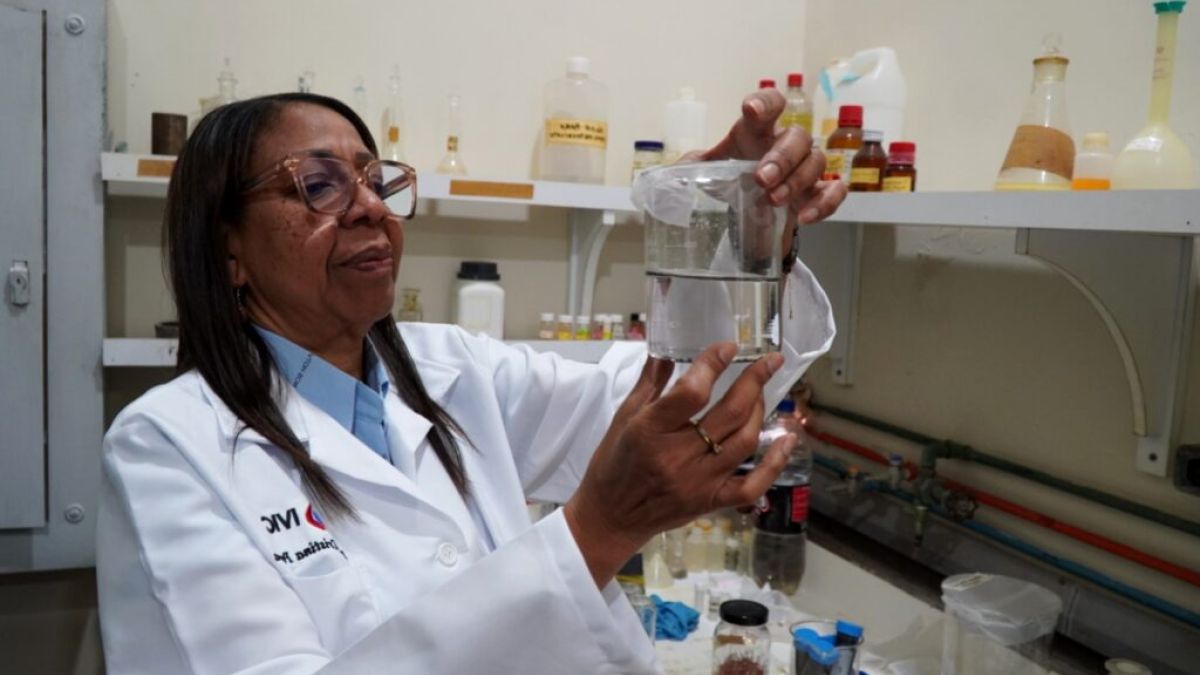
Photo: MINCYT
Published at: 12/06/2025 09:49 AM
In Venezuela, at the Center for Materials Engineering and Nanotechnology of the Venezuelan Institute for Scientific Research (IVIC), a group of researchers are developing a proposal for the formulation of bone cements and guaranteeing supplies to ensure care for patients with bone problems, the Ministry of Science and Technology (MINCYT) revealed in a press release.
Bone cements, commonly known as acrylic cement or polymethyl methacrylate (PMMA), are materials used in orthopedic surgery to attach prosthetic implants to bone, in addition to repairing bone defects and fractures. They are a mixture of powder and liquid that, when combined, form a plastic paste.
The researcher and chemist at the Center for Materials Engineering and Nanotechnology at IVIC, Dr. Cristina Parra, commented that “the bone cement formulation we propose is friendlier to the environment and more friendly to the human body, to try to help people who need a prosthesis and those who need bone filling or dental cement”.
Dr. Parra stressed that the proposal is friendly to human beings, since it promotes the use of natural raw materials produced in the country, in order to consolidate a product with a Venezuelan seal.
“The formulation we are proposing is very versatile because it leaves aside the toxicity of commercial bone cements, we leave aside methyl methacrylate and we are working with the formulation of a bone cement based on a liquid phase containing dextrins,” he explained.
Dextrins are composed of carbohydrates of intermediate molecular weight that are produced from the partial hydrolysis of starch or glycogen.
“Dextrins are extracted from starches and these are also polymers that have been used in all kinds of developments for health processes such as biomaterials; we are proposing to use mixtures of two polymers that are produced here in Venezuela and we also want to place another type of substance that are additives that will facilitate the adhesion of that bone cement or the development of new bone tissue where necessary,” explained the doctor.
Parra pointed out that this formulation seeks the quality of life of people who require this type of therapy. “This bone cement that we are formulating here at the IVIC seeks to provide quality of life to people who require this type of therapy, since our bone system supports our body. Bone pathologies are very important and must be addressed,” he said.
The research project is accompanied by a multidisciplinary team of Venezuelan doctors who reinforce the actions of the group of researchers.
“We currently have medical teams that are working with us: traumatologists, dentists, and that interaction between the doctor -who is the one who knows the system- and us who are proposing these new materials, is going to be a synergy so that a bone cement formulation can be produced and that this can make life easier for Venezuelans and why not for Latin Americans,” said Dr. Parra.
This project is an example of science for health, which is accompanied by the Bolivarian Government through the Great Mission of Science, Technology and Innovation Dr. Humberto Fernández-Morán.
“The Great Science Mission is an engine that has been ignited and keeps us scientists active in this process of training students and researchers who are linked to these projects where it is intended to form a multidisciplinary team, involving chemical, physical and medical researchers (...) all aiming at a common goal: the well-being of the people,” he added.
Mazo News Team