La Niña phenomenon threatens South America until next April
Internet
Published at: 23/01/2025 10:07 PM
The “La Niña” phenomenon has already arrived and its impact is expected to last until the beginning of next April, which will affect the South American region with scarce rainfall, according to expert sources, the Telesur website reported.
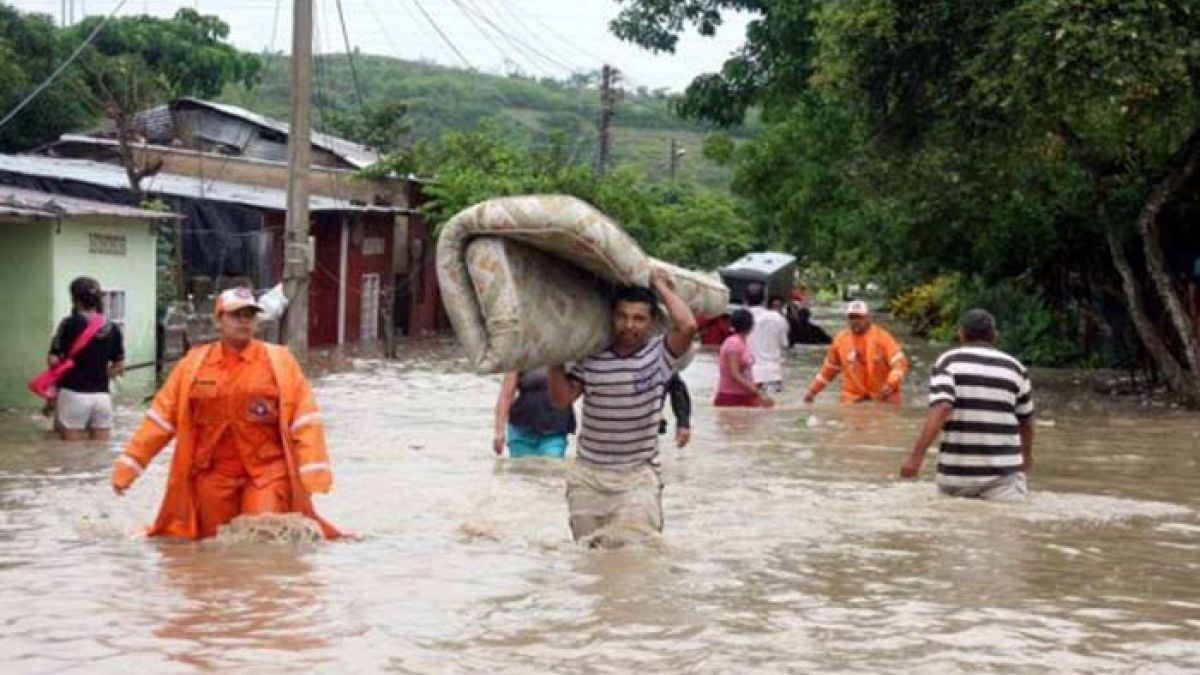
This phenomenon is characterized by cooler than usual ocean temperatures in the equatorial Pacific, which is often related to devastating floods, intense droughts and hurricanes in the Caribbean.
According to the Center for Climate Prediction (CPC) of the United States National Weather Service, “La Niña” conditions manifested last December and are expected to persist until February-April 2025, with a 59% probability.
In addition, there is a 60% chance of a transition to ENSO-neutral conditions between March and May 2025, a cycle that varies between “El Niño” and “La Niña” patterns.
From Brazil, the MetSul Meteorological Agency has indicated that this event will not last like the previous one, which lasted from 2020 to 2023.
The projection is that this phenomenon will be short and weak, lasting between three and five months.
In southern Brazil, a reduction in rainfall and a deficit in rainfall are expected, which could affect agriculture in several municipalities due to loss of productivity.
The report also points out that in northeastern Brazil there could be an increase in rainfall.
By February 2025, some areas of the Caribbean, Andean and Pacific regions are forecast to receive higher than normal rainfall, consistent with the “La Niña” conditions expected for that period.
In Peru, heavy rains are expected in the highlands, but a worrying water deficit is expected for the coast.
This analysis was shared by Jorge Carranza, head of the office of the National Meteorology and Hydrology Service (SENAMHI) in Piura, who emphasizes the importance of monitoring in this region.
Ecuador will also be affected, because according to the National Committee for the Regional Study of the El Niño Phenomenon (Erfen), “La Niña” is expected to remain in the country during the first quarter of 2025, with a probability of 83%.
This reflects climate instability and its potential repercussions on agriculture and water supply in various regions.
Mazo News Team