Rangel Indian uprising: First autonomous political action by peasants in Venezuela
Internet
Published at: 01/09/2025 08:30 AM
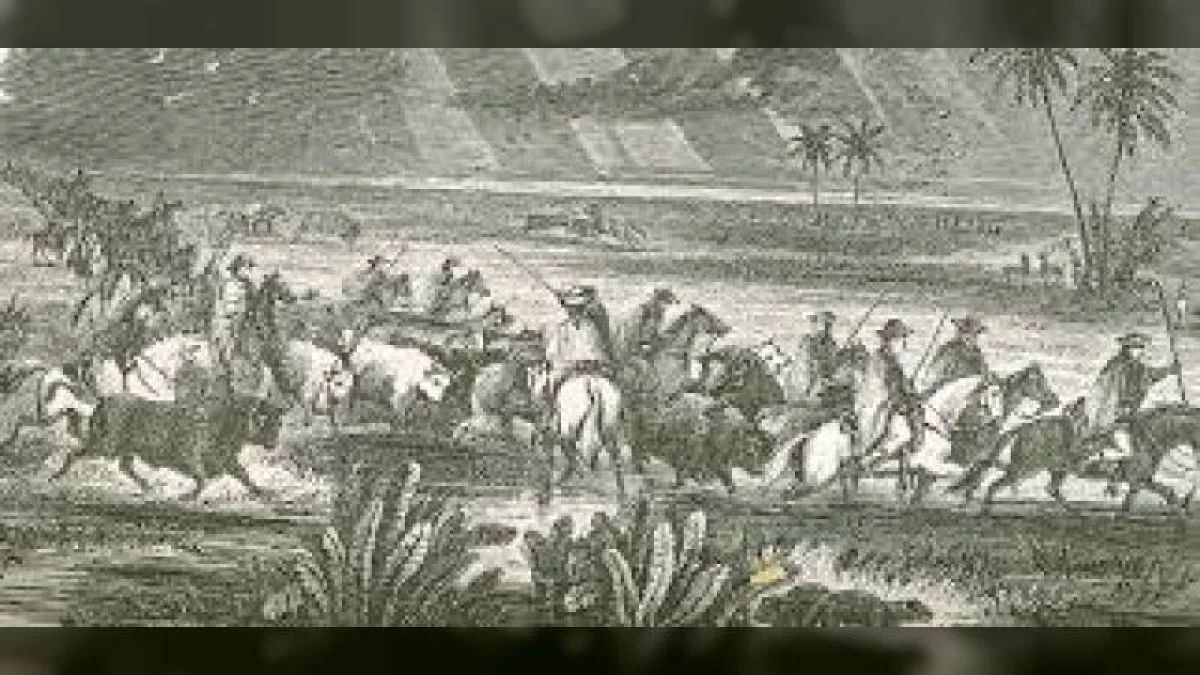
The peasant insurrection of 1846, considered to be the first autonomous political action of rural men in Venezuela, began spontaneously on September 1 of that year, precipitated by armed repression against peasants in the central valleys, on the occasion of the first degree election to be held in the country. It was spontaneous because it was exempt from a minimum plan that would previously structure the insurrectional uprising.
It began with the uprising of Francisco José Rangel “El Indio Range l” at the head of three hundred manumisos and slaves from the estates of Pacarigua and Manuare in the south of Carabobo. The first action was the takeover of the population of Güigüe, a fact that materialized on September 2 with the cry of “Long live Antonio Leocadio Guzmán, long live free Venezuela, free lands and men, oligarchs tremble!”
In Venezuela in the 1940s, it was primarily a villager, with rural men and women accounting for more than 50 percent of the population. People lived under the very dictatorship of terror and outrage both on the farms and on the cattle farms.
Poor education and contagious diseases were raging in rural areas: tysis and malaria, and the action of regional warlords, were unified against the miserables of disinherited Venezuela.
The result: that unrest began to take hold, both of the peasants in feud, of the small landlords and of the black slaves, that is, of all sectors of that rural economy; who, by the way, had been on “a quest” for a long time to change the living conditions offered by the “established order”.
Mazo News Team