Venezuela advances in protocols for the eradication of invasive coral in the state of Anzoátegui
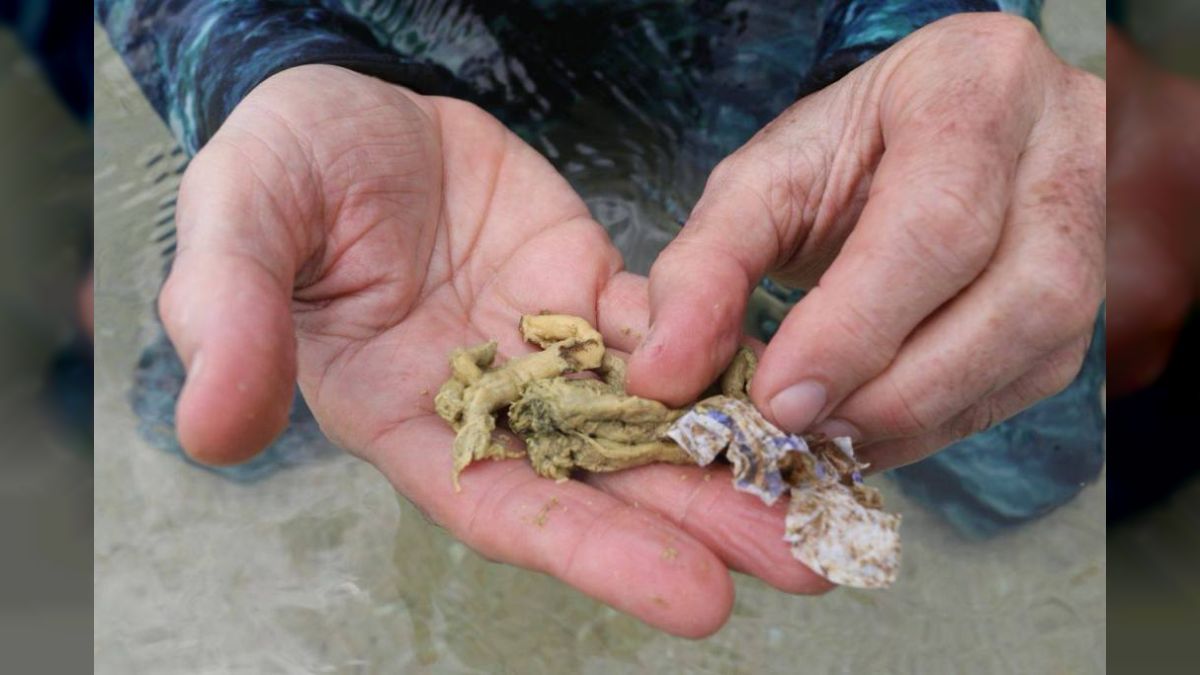
Photo: Ministry of Ecosocialism Press
Published at: 16/09/2025 04:31 PM
The Bolivarian Government is making progress with protocols for the eradication of invasive coral (Unomia stolonifera), which has been present on the coasts of the state of Anzoátegui.
Officials from the Ministry of Popular Power for Ecosocialism have held several meetings with the fishing communities of the towns of Valle Seco and Conoma in the Guanta municipality, with the purpose of continuing to advance the protocols.
Unomia stolonifera is of Indonesian origin, classified as an invasive alien species in Venezuela, affecting reefs and native marine life. Its aggressive growth covers and displaces other species, causing the loss of biodiversity, damage to fishing and tourism, and the alteration of the marine landscape.
The Ministries of People's Power for Ecosocialism and Science and Technology take action in the face of the seriousness of the case, activate planning consisting of four phases, such as: strengthening institutional and community work, establishing monitoring and control systems, carrying out tests, pilot tests and, finally, the collection and analysis of data obtained for the management of knowledge and solutions.
The state director of the Ministry of Ecosocialism, Yamil Saleh, explained that they met with artisanal fishermen in the area, as they are fundamental to the proposed road map for the implementation of the coral eradication project.
He also pointed out that the protocols are some of the actions effectively carried out by President Nicolás Maduro in this area, namely to strengthen the functions of the State Committee for Coastal Zones (CEZC), with the participation of the regional government, mayors and institutions associated with fishing and aquaculture, and tourism, among others, the Ministry of Ecosocialism press.
“We also thank international alliances for their scientific contribution, because we must all be involved in the eradication of Unomia to maintain the healthy functioning of our ecosystems,” he added.
Mazo News Team