Creole scientists promote projects to protect cocoa production
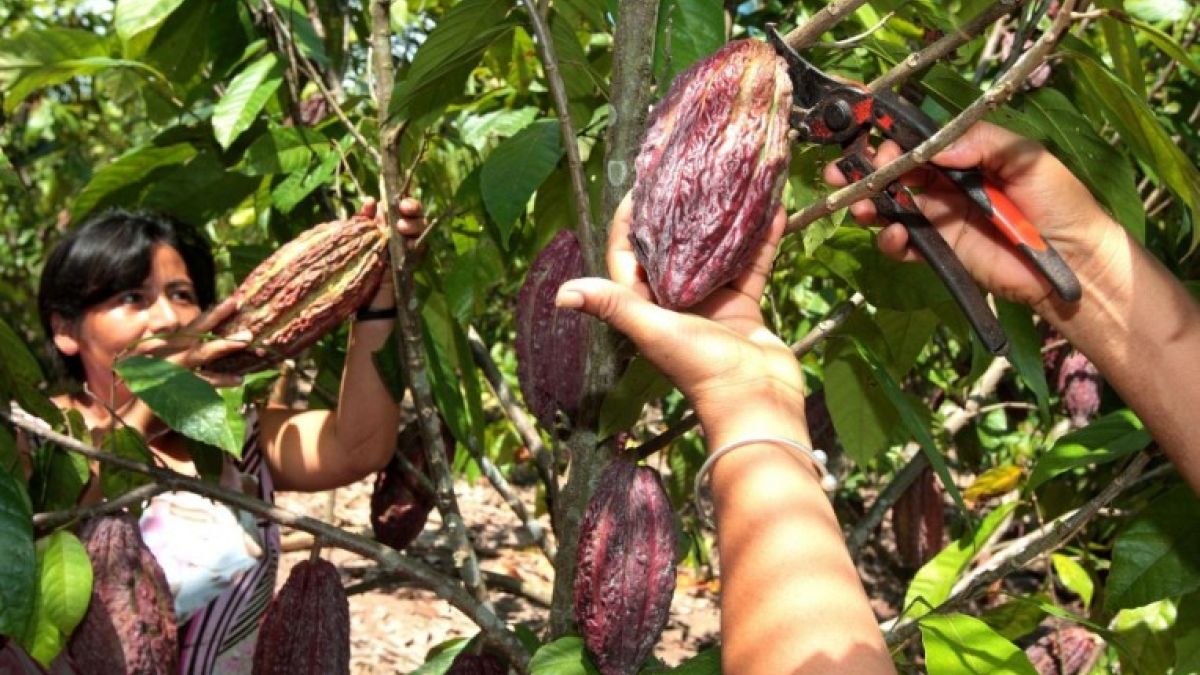
Photo: Internet
Published at: 01/10/2024 09:34 AM
Scientists from the Department of Agriculture and Food Sovereignty (ASA) of the Institute for Advanced Studies Foundation (IDEA) are carrying out several projects to reduce disease risks and ensure higher levels of productivity in cocoa crops in the country.
These actions, according to a press release from the Ministry of Science and Technology (Mincyt), these actions preserve the genetic diversity of cacao and improve cultivation and production practices.
Dr. Dario Torrealba, coordinator of the Mass Plant Propagation Program, highlighted that cacao has a significant economic, social and cultural impact in Venezuela. However, its production faces challenges due to the presence of pests and diseases that directly affect productivity and harm producers.
To address these challenges, researchers have promoted a series of projects, including a Plan for Agroecological Training and Self-Management of Cocoa Farming for producers. This plan aims to provide sustainable practices allowing them to develop comprehensive crop management using resources available in their plots.
“This involves teaching producers to work with the resources available on their plantations. They will be able to learn to produce biofertilizers from the remains of cocoa shell and mucilage, which provide nutrients and contribute to a good harvest,” Torrealba explained.
In addition, cacao production is threatened by biotic stress caused by fungi, oomycetes, viruses and pests such as Phytophthora spp., Moniliophthora perniciosa, M. roreri and Ceratocystis cacaofunesta, among others.
Therefore, the researcher at the ASA Plant Microbiology Laboratory, Matías Hernández, proposed a project to evaluate the biocontrol capacity of different microorganisms on the main cocoa diseases and their effect on the development and growth of plants in nurseries, in order to bioprotect them and obtain a stronger and more environmentally friendly cacaoculture.
Another proposal, led by Dr. Sandy Molina, coordinator of the ASA Plant Genetic Improvement Program, involves evaluating the genetic diversity and pathogenicity of plants and microorganisms to develop effective strategies against pests and diseases.
In particular, he stressed that he is investigating the genetic diversity of the fungus Moniliophthora perniciosa, which causes the witch's broom disease, the second most prevalent disease in cultivation and which causes great losses, especially in the central and western areas of the country.
In addition, ASA researchers work on germplasm conservation and improvement, safeguarding “in vitro” materials of genetic and agronomic importance.
Mazo News Team