He hasn't fought yet! Juan José Rondón: Guariqueña strength to guarantee victory (+seeding)
Internet
Published at: 23/08/2025 08:03 AM
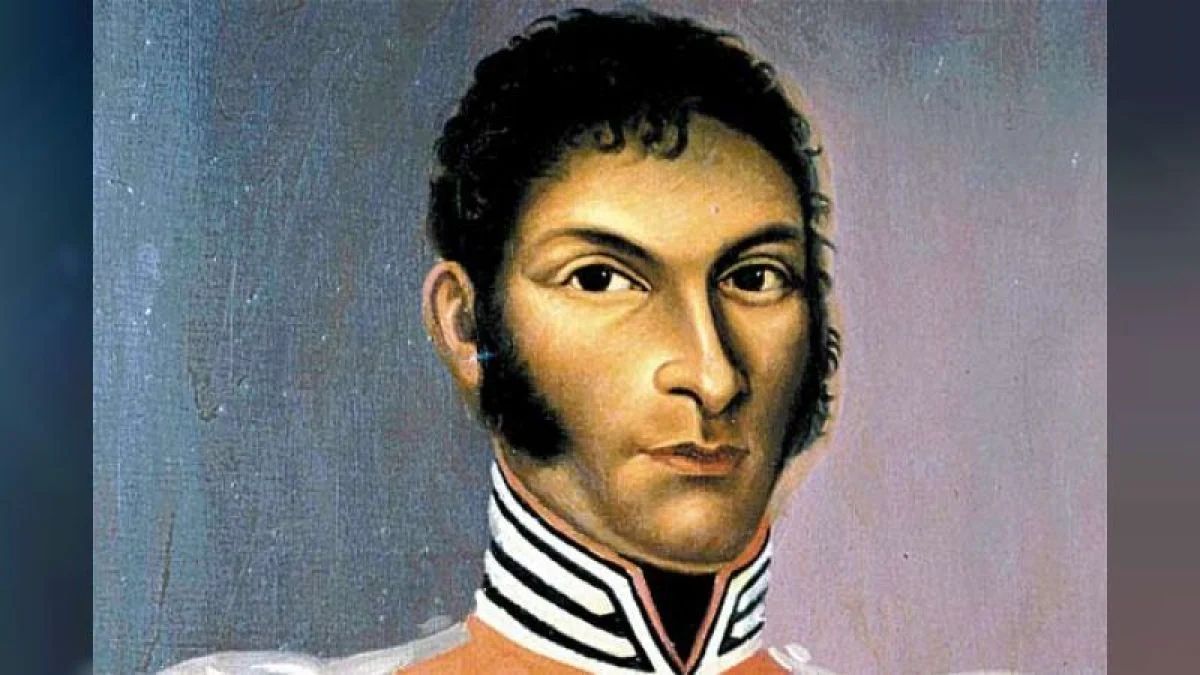
On August 23, 1822, one of the leading warriors of the Venezuelan and Colombian independence struggles, Colonel Juan José Rondón, died in Valencia, who excelled mainly in the Battle of the Vargas Swamp, in 1819, during the Liberation Campaign of New Granada.
El Negro, as they said, was born in 1790, the son of manumisos slaves, Bernardo Rondón and Lucía Delgadillo, in the current state of Guárico. He brought to the independence army, in addition to his proven combat value, mastery in the art of capturing and taming horses, which allowed the patriotic forces to provide themselves with sufficient mounts for the fight.
He participated in the Battle of the Queseras del Medio, which earned him the Order of Liberators of Venezuela, of the Vargas Swamp, where he intervened to achieve the victory of the patriots, Boyacá and Carabobo.
Famous for his courage in this historic passage of July 25, 1819, when defeat seemed imminent for the patriots, Simón Bolívar sent the last reserves of his army, made up of laneros, under the command of Colonel Juan José Rondón.
“Save the Fatherland!” , Bolívar told Rondón, to which he replied “Rondón hasn't fought yet.”
Immediately, the Guariqueño lancero charged against the enemy ranks and followed by several llaneros, who had not yet fought, after fighting, he gave victory to the liberating troops. His performance brought an end to the battle of Pantano de Vargas.
During the battle of Naguanagua, fought on August 11, 1822, José Antonio Páez and his army were victorious against Spanish troops. However, as a result of a heel wound received during the Battle of Naguanagua, Juan José Rondón died of tetanus in Valencia, Carabobo state, on August 23, 1822.
In his honor, in the Army of the Bolivarian Republic of Venezuela, he created the Caribbean Battalion: Colonel Juan José Rondón, who are responsible for containing the violence of irregular groups and organized crime. In addition, in Colombia, an airport, in the city of Paipa, in the department of Boyacá, bears his name.
Mazo News Team