José Martí: Indispensable Verb for Latin American Peoples (+seeding)
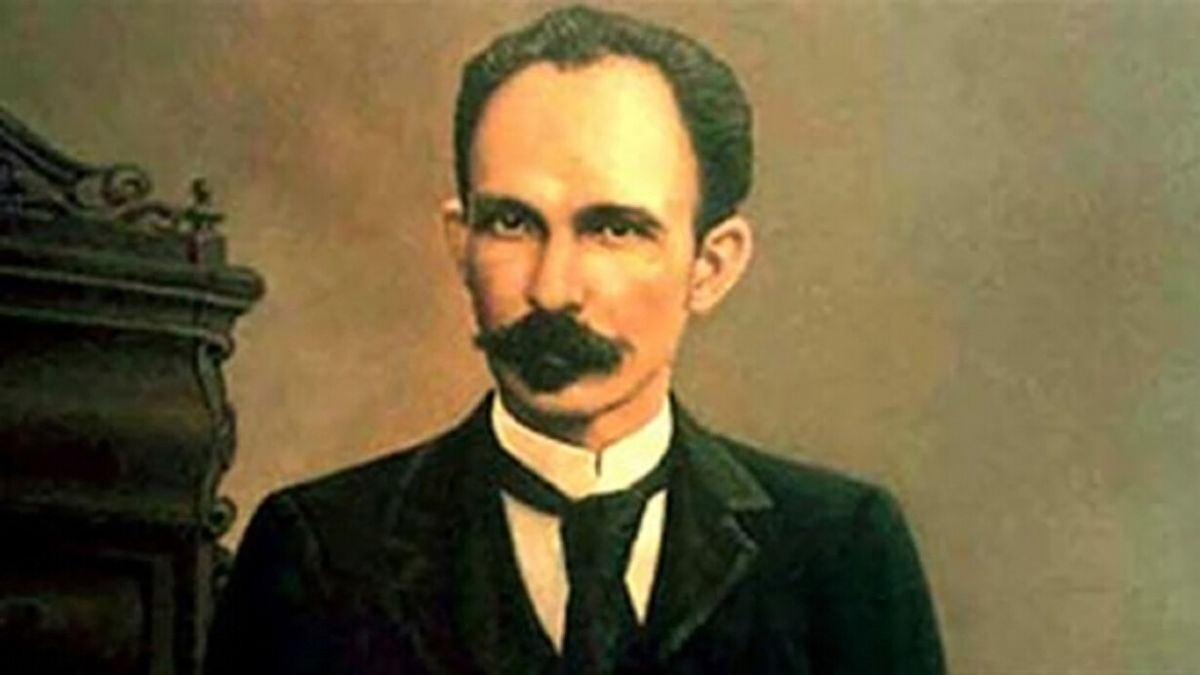
Internet photo
Published at: 19/05/2025 08:18 AM
On May 19, 1895, the Cuban politician, journalist and writer José Julián Martí Pérez died at the age of 42, who during his lifetime stood out as a forerunner of Spanish-American literary modernism and as one of the transcendental leaders of the nation's independence.
José Martí , who came from a Spanish family with few resources, was attracted by the revolutionary ideas promoted in Cuba, and after the start of the Ten Years' War (1868) he launched his revolutionary movement, publishing El Diario Cojuelo and, later, La Patria Libre.
Due to his sympathy with independence groups, the revolutionary leader was arrested at 17 years of age, but after performing forced labor in prison, his health worsened, and he was granted acquittal of his conviction, but he was deported to Spain, where he published the famous work The Adulteress.
During his stay in the European country, he enacted The Spanish Republic before the Revolution, demanding from the city an act of repentance and recognition of the mistakes made with his country of origin. Years later, after settling in Mexico and ending the Ten Years' War (1878), he returned to Cuba where he was deported again by state authorities, appalled by his revolutionary past.
Martí resided in New York City, where he fully dedicated himself to politics and literature. From there, he organized a new revolutionary process in his nation, founding in 1882 the Cuban Revolutionary Party (PRC) and the magazine Patria.
By 1884, the forerunner of Spanish-American literary modernism succeeded in promoting a process of independence, and he returned to Cuba, where eleven years later (1895) he died in the Battle of Two Rivers.
Mazo News Team