What would happen to the economy if the opposition wins? (2)
Internet
Published at: 27/07/2024 06:00 PM
This time we carry out
a detailed review of some of the approaches described in the
economic area by María Corina Machado
in the Venezuela Tierra de Gracia government plan.
It is important to insist that this plan is not presented by
the candidate Edmundo González, who
is the registered electoral representative for the 2024 presidential elections.
First, a medium-term
plan is presented in which it proposes a stabilization
of the macroeconomic situation, and which, in order to achieve this,
states on page 22, the “reintegration
into the flows of global investment and trade flows. Dialogue with multilateral
organizations for the implementation of
short and medium-term structural reforms to consolidate macroeconomic stability and promote
sustainable growth; the restructuring of foreign debt; and the
reintegration of Venezuela into international financial markets.” Here
we can stop to evaluate the discourse, because Venezuela's investment flows and commercial
relations
with the rest of the world were growing steadily until in
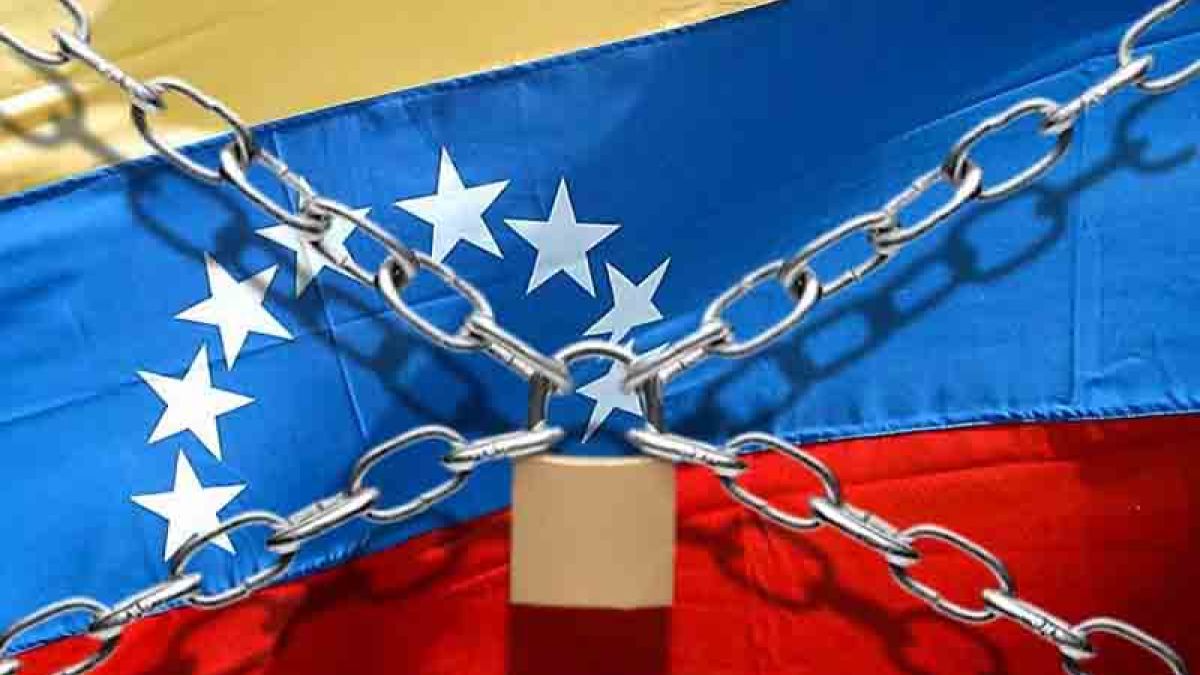
2014 they began to apply sanctions and economic blockade to us
unilaterally, requested by the Venezuelan opposition, and among them, Mrs. María Corina Machado;
then we talked about fixing the damage they themselves caused.
Later, he states that for the fiscal
area, “it is necessary to
rescue public infrastructure in electricity, water and sanitation,
transport, health and education, in order to improve the quality of life of the
population and relaunch economic activity on a sustainable basis and the
generation of well-paid jobs. The size of the
State will be optimized, to minimize the fiscal deficit and avoid inflationary pressures.
Once the external debt has been restructured, a fiscal rule will be approved to
ensure the sustainability of public finances in the long term. The tax system
will be simplified, making it more efficient and transparent.
In addition, the bureaucratic processes and procedures that prevent the
formalization of productive activities of all types of private sector companies will be reduced.”
The previous paragraph mixes several areas of the economy, even contradicting in
itself the sense of a fiscal policy of a country with oil revenues.
You cannot promise to reduce the size of the State and at the same time
talk about a relaunch of economic activity and the generation of well-paid jobs; that is, a wave of mass layoffs and at the same time
generate jobs; especially when you are not clear about the amount of income
you have, considering that blockades and sanctions were called for to make them smaller and smaller.
In the same way, it states in its government
plan that “the public debt crisis
will be addressed by agreeing with multilateral organizations and
creditors of the Nation on payment terms consistent with the requirements
of stabilizing the economy and laying the foundations for sustained growth in the medium and long term.
Once the restructuring has been agreed, the debt-to-asset swap
option will be opened, which could support an
additional reduction in public debt in order to accelerate the
privatization process, resize the size of the State and increase private investment.
The Republic's international assets will be protected.” In this
statement, it is important to ask ourselves: Why does Venezuela have an external debt?
What happened? Why haven't you been able to pay your debts? Who lost
Monomers and CITGO? Aren't these international assets of the Republic?
It seems that there is a significant gap with respect to information management,
the financial blockade, the freezing of foreign accounts and the events
that have occurred in our country over the past 10 years.
AMELYREN BASABE/Mazo News Team