Published at: 17/06/2026 09:00 PM
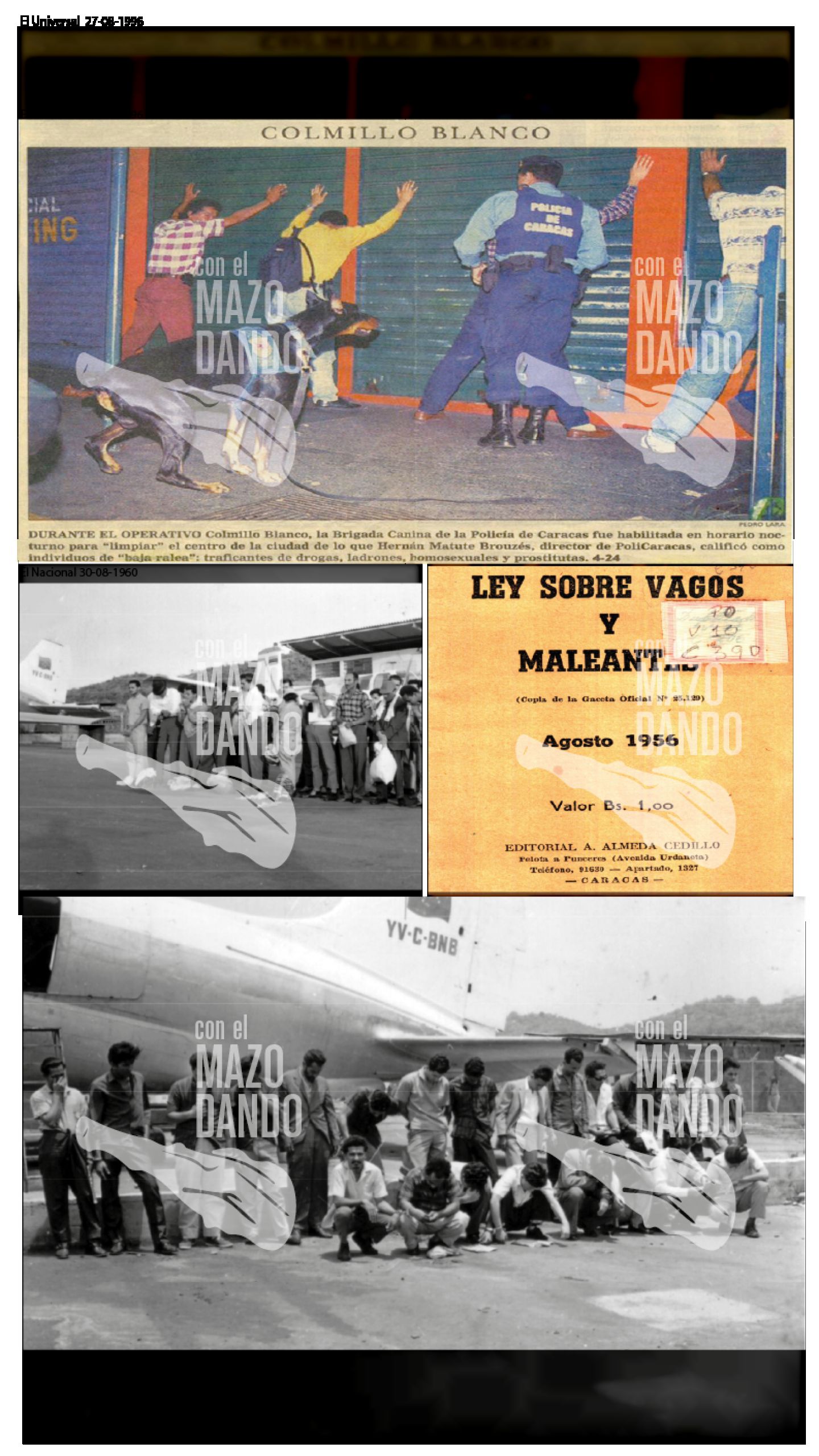
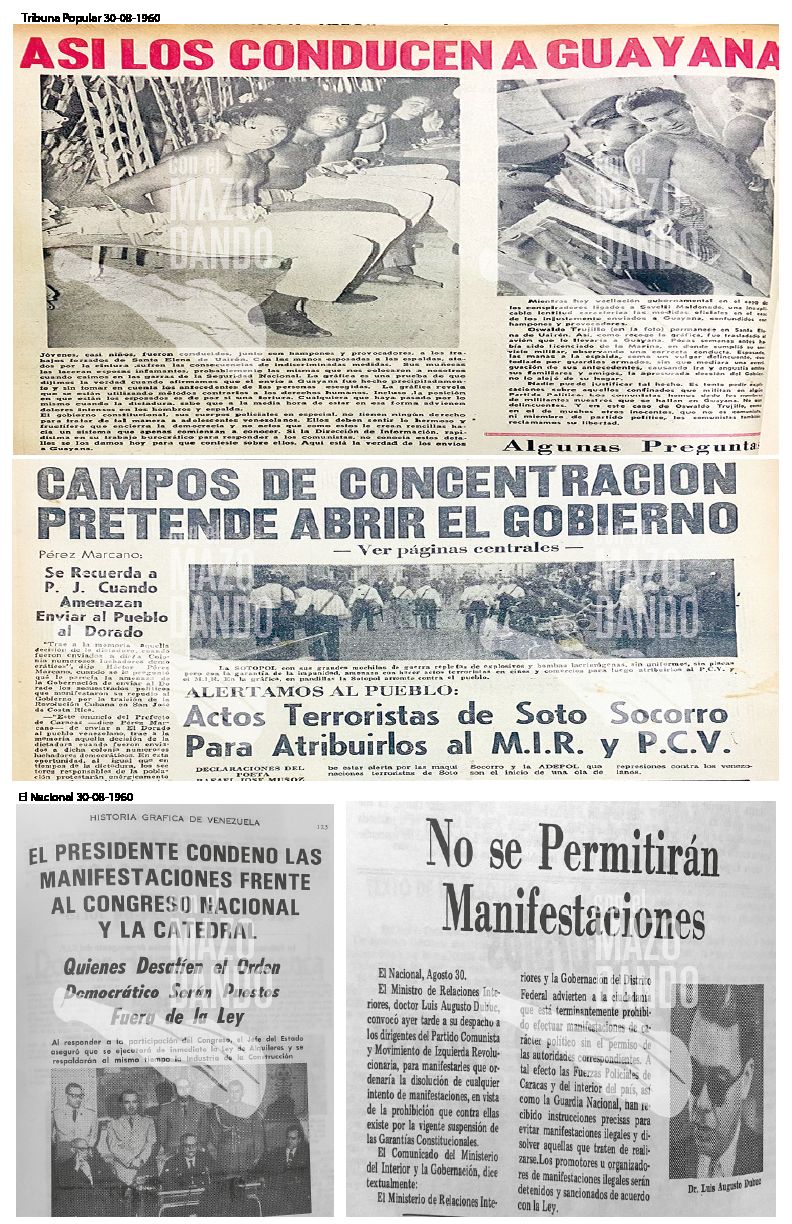
(El Nacional and Tribuna Popular, August 30, 1960)
- On July 24, 1939, during the administration of General Eleazar López Contreras, the National Congress of the Republic of Venezuela approved the Vagos and Maliantes Act (Official Gazette No. 19,952 of August 14, 1939). Under the mandate of the current constitution, containing the sixth paragraph, it then served as a pretext to “miss” (exile) hundreds of militants of the most progressive political currents who were fighting for a change of government from the country.
- This retrograde law and the sixth paragraph helped López Contreras to persecute journalists, intellectuals and politicians; as well as prohibiting plays, closing newspapers, confiscating entire editions of books, closing unions, suppressing oil strikes with blood and fire, in addition to silencing the great fire caused by a spill by the oil company Venezuela Gulf Oil that destroyed 200 lives in Lagunillas (13-11- 1939), was then reactivated by Rómulo Betancourt on August 30, 1960 under the name of “El Hampoducto”.
- In practice, the provisions of this criminal law had been repealed and rescinded by the previous governments of Isaías Medina Angarita, Rómulo Gallegos and Marcos Pérez Jiménez.
- The massive student demonstrations that broke out in those days in Caracas called out their disagreement with the government for the betrayal of the “Spirit of January 23rd”. Given their dimensions, Betancourt described them as “uncontrollable” and undeterred he began his repressive policy, sending thousands of protestors, including dozens of minors, to the “Mobile Colonies of El Dorado”.
- Thousands of demonstrators, mostly communist or leftist workers, were taken to the intricate jungles of Guayana, calling them “low-income people, bad guys, evildoers, thugs, thugs, pimps, thieves, prostitutes and homosexuals.” This is what it says in the entry book of inmates arbitrarily sent to these concentration camps, which contain several cases of admission for “misdemeanors, crimes, homosexuality” and other types of conduct not classified within the framework of the law.
- From then on, throughout the Fourth Republic, this legal defection served as a political weapon of repression and an excuse to send abandoned colonies to die of hunger, mistreatment and disease in flagrant violation of due process and human rights.
- In the midst of this unleashed orgy of corporal punishment, forced labor and shipping to the remote edge of the jungle, Betancourt used several military cargo planes to dispatch students, workers, public sector workers and political leaders signed by the General Directorate of Police (DIGEPOL) from “La Carlota” airport by direct flight to El Dorado.
- For Betancourt (1959-64), and the subsequent presidents of the republic who ruled from 1964 to 1998, the slogan was “Better to Repress than Regret”, and “police raids” was the illegal and unconstitutional method to arbitrarily stop and send buses full of “lazy and evil” to the “El Dorado Correctional Colony”, located near the Cuyuní River, in the Fear. Bolivar.
- An example copied from the archives of the National Newspaper Library is “Operation Fang”, carried out during the second administration of Rafael Caldera (1994-1999), where a savage raid carried out by trained dogs and agents of the Caracas Metropolitan Police against alleged “Vagos y Maleantes” is staged. Objective reminiscence of the first major covers and headlines published on August 30, 1960, showing evidence of the sending of minors to concentration camps, which Betancourt inaugurated as a great work of government.
Mazo News Team