Minister Gabriela Jiménez warns about the impact of the climate crisis in Venezuela
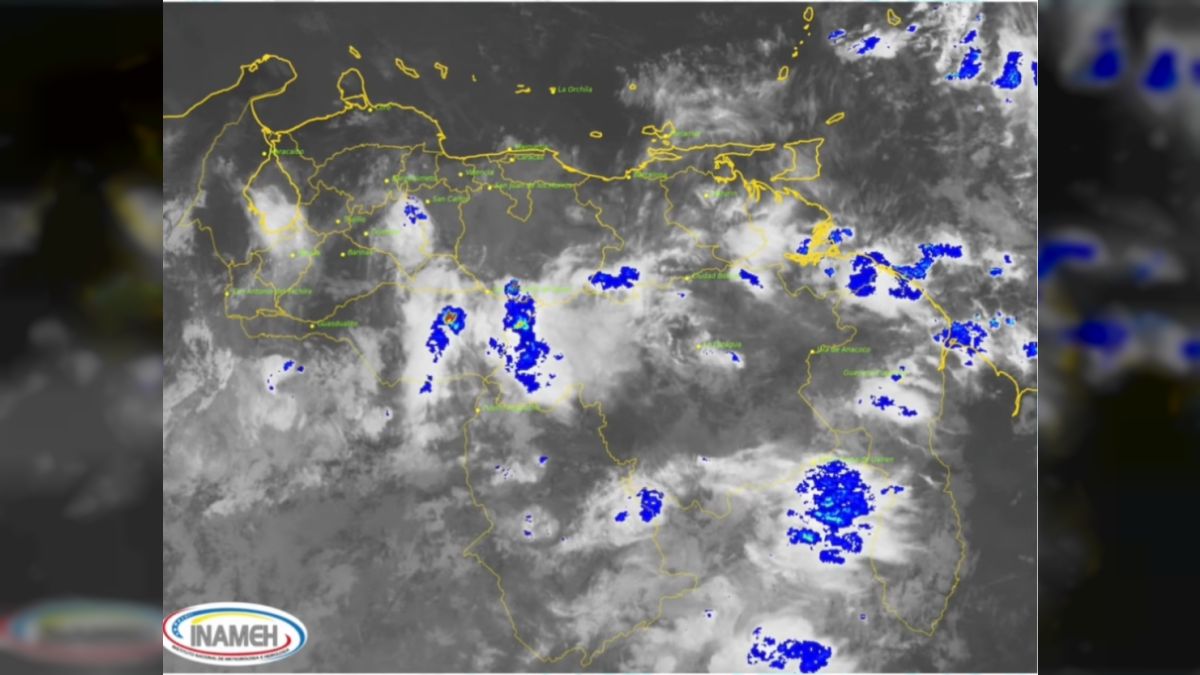
Photo: Internet
Published at: 03/07/2025 12:35 PM
The Minister of People's Power for Science and Technology, Gabriela Jiménez, asserted that the climate crisis in recent times has been progressing at an alarming rate in recent times, affecting all regions of the world, including Venezuela.
In a publication published on the website of the Ministry of Science and Technology, Jiménez emphasized that Venezuela does not escape this reality and that is why measures are being taken.
“As a result of the climate crisis, there is anomalous ocean overheating in the Caribbean Sea, with a variation of approximately 1.5 °C, generating intense rain conditions and increasing the risk of landslides in mountainous terrain,” he said.
He also asserted that the report of the Climate Change Services System of the Venezuelan Institute for Scientific Research (IVIC) reveals an abrupt and intense warming of the waters of the Caribbean Sea and especially in the Tropical North Atlantic, generating historic humid pulses in various regions of the country.
“Recent extreme weather events in Venezuela have a strong correlation between warm waters in the tropical Atlantic, increasing episodes of heavy rains, mainly affecting mountainous areas,” he explained.
In this regard, he noted that the Climate Change Services System recommends continuous monitoring of the situation, since the conditions that caused the intense rains in the Andes could be repeated and extended to other regions, including the Cordillera de la Costa.
“Tropical Waves 04 and 05 in the month of June caused torrential rains in Táchira, Mérida, Trujillo and Barinas, with accumulations of up to 50 mm in three hours, causing land saturation and landslides; while Tropical Waves 06 and 07 continued to generate heavy rains in the region, with accumulations of up to 90 mm in some areas of Mérida,” he explained.
He also noted that in 2025 alone, there was a 68% increase in rainfall, significantly exceeding historic highs in some areas, such as in Barinas, which registered an increase of 169% compared to other years; or in the city of Rubio in Táchira, where it rained 212% more than the maximum recorded.
He reiterated that mountainous areas are especially vulnerable to these changes, with an increase in the risk of landslides and other natural disasters.
“The experts made a series of recommendations to mitigate these impacts, including the activation of Ecosocialism Councils, the strengthening of climate monitoring, the revision of urban planning in risk areas, and the implementation of a national plan for dredging rivers,” he added.
In addition, he suggested the use of plant species such as bamboo to stabilize slopes and protect riverbanks, as well as reforestation in degraded areas to improve water and food production.
Mazo News Team