Nicaragua promotes medical advances to eliminate vertical transmission of HIV
Internet
Published at: 30/05/2025 09:24 PM
The reduction of mother-to-child transmission of HIV in Nicaragua to less than 2% in 2024 is a significant step forward in the fight against the virus.
The country expects to obtain certification for the elimination of vertical transmission of this disease by the World Health Organization (WHO) in 2025, and to join the nations that have achieved this recognition.
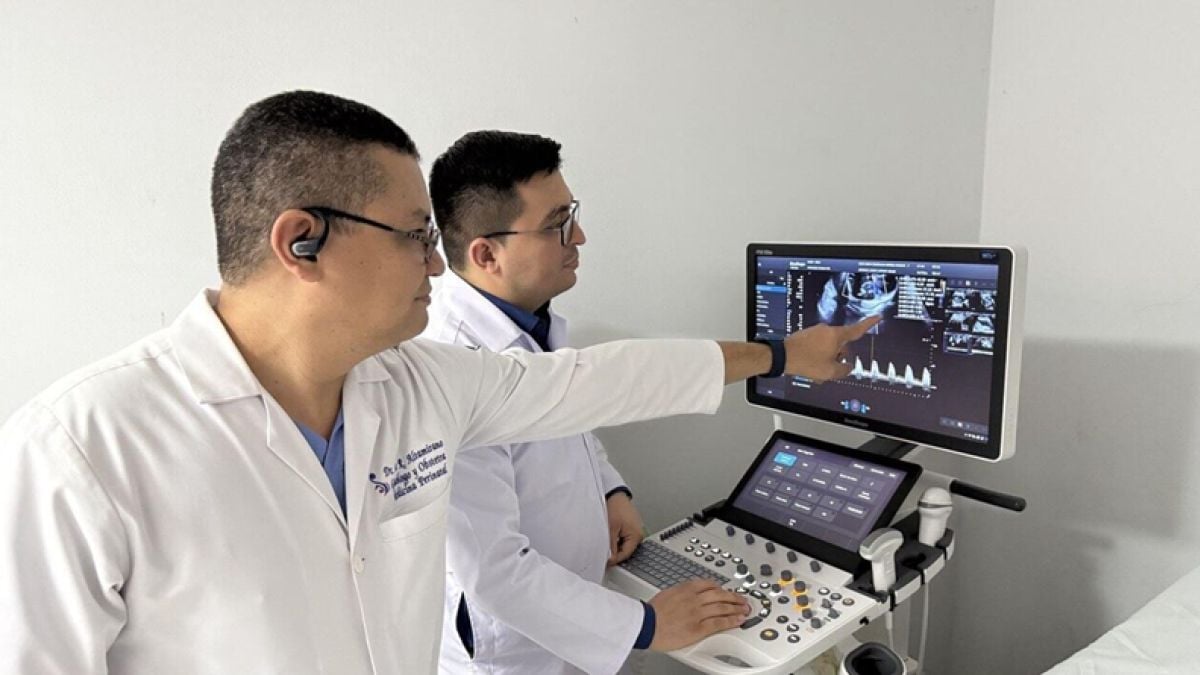
The “Bertha Calderón Roque” Women's Hospital in Managua was key in implementing health strategies that made it possible to achieve these results.
Specialists explain that the risk of transmission of the virus occurs in three stages: during pregnancy, childbirth and the postpartum period, a phase in which the baby can be infected through breastfeeding.
The strengthening of health infrastructure and the availability of diagnostic tests are determining factors. In 2006, 58 newborns were diagnosed with HIV in the country, while in 2024 the number dropped to two, according to data from the Health Map.
The national strategy is based on comprehensive care, prevention and case monitoring, a gesture to ensure rigorous controls for mothers with a positive diagnosis.
The monitoring protocol for pregnant women with HIV in Nicaragua includes viral load tests, antiretroviral treatment and permanent medical checks, an approach that seeks to ensure that the virus remains at undetectable levels and does not pose a risk to newborns.
Since 2010, WHO has promoted the global goal of eliminating vertical transmission of HIV and syphilis. Nicaragua is getting closer to meeting this objective, consolidating its public health efforts and reaffirming the impact of its health policies on maternal and child protection.
Mazo News Team