President of CONINDUSTRIA: The country's industrial sector grew by more than 16% at the end of 2024
Internet
Published at: 07/04/2025 06:24 PM
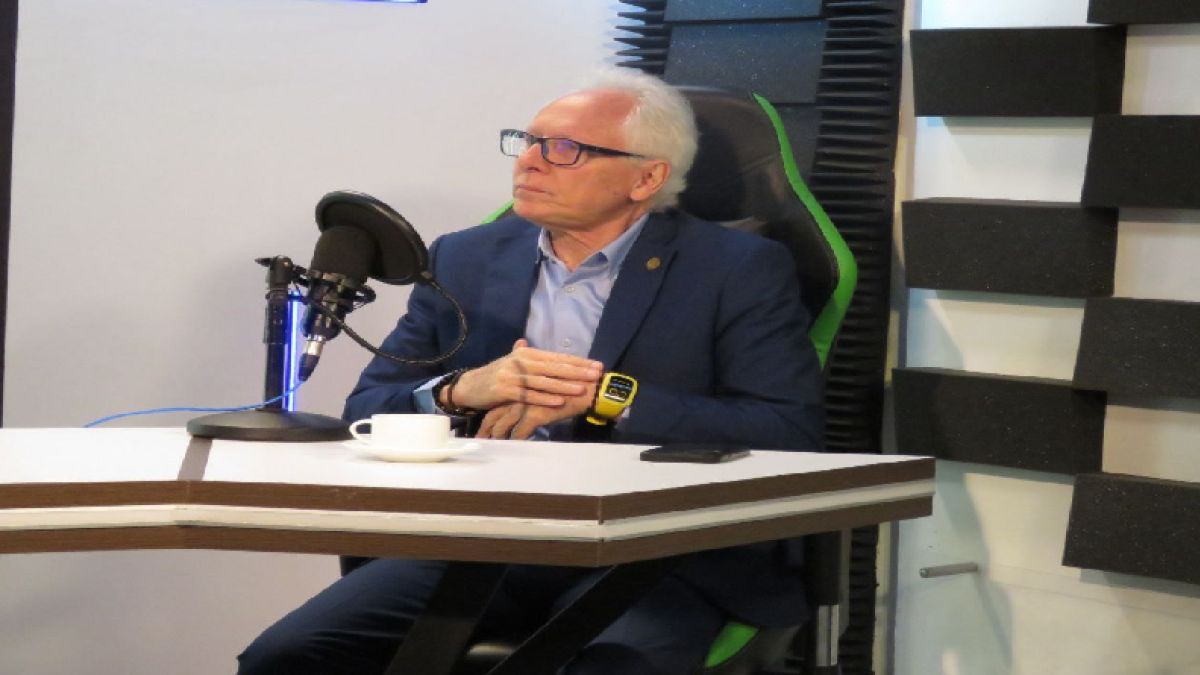
The president of the Venezuelan Confederation of Industrialists (CONINDUSTRIA), Luigi Pisella, specified that growth in the sector at the end of 2024 was on average more than 16.6%.
He clarified that the figure does not translate into equal growth in all sectors, he said in an interview on the Primera Página program broadcast by Globovision.
“The small industry failed to grow and we have sectors that are not on the right side of the growth graph, such as textiles, clothing and footwear,” in addition to the metallurgical and foundry industries, he explained.
He reaffirmed that the rest remain positive, being led by food, beverages and pharmaceuticals. “These pull other sectors and those are the ones that are growing,” he said.
Regarding the use of installed capacity, Pisella highlighted that a 48% closure was achieved. “Now, obviously we have to work so that those sectors that were not seen on the right side of the growth graph are included,” he said.
He stressed that in the areas of textiles, clothing and footwear, there is an indication of greater competitiveness despite the new tariff measures.
“They came in with tariff benefits; for the decree that applies as of April 1, the exemptions disappear and they start paying what they had always paid. This will help make the domestic industry more competitive,” he explained.
He also added that another factor that will benefit growth is the correction in the “appreciated exchange rate”, which previously encouraged the importation of products to the detriment of it.
“As we have seen for some time, there has been a correction in the exchange rate, but obviously the market will determine what the rate is,” he said.
He emphasized that the tariff measures coming from the United States “will encourage and help the industry to be more competitive.”
However, he considered that variables such as fiscal and parafiscal taxes; exports; the lack of bank credit, about which he mentioned that proposals have been made to energize it; and public services reduce competitiveness.
On the other hand, when delving into the tax issue, Pisella said that there has been no agreement in the results after discussions with the authorities. “Although we have the result of state and municipal harmonization, they are not currently being implemented in all municipalities and municipalities.”
He also noted that among the proposals carried out are the expansion of the taxpayer base. “One of the aspects that would help is the issue of VAT”, he clarified that “all industries and companies that invoice on credit and that this credit exceeds 15 days, require us to take out of our pockets and pay a tax that has not been collected”, so he suggests that a 30-day cycle be established for greater simplification of payment.
Another proposal pointed out by Pisella, in which he stressed that they will continue to insist on making the industry more competitive, is the formalization of workers “with a unique and special contribution aimed at social security”, so that they start paying contributions.
He said that this proposal should be extended to entrepreneurs. “That with a single tax, it's already formal (...) so you don't have to make a declaration because you're not ready for that.”
He noted that, while there will be an impact on the prices of imported products, it will ultimately help the domestic industry with the diversion to the domestic one. “It's a niche that we can have,” he said.
“If State purchases are purely oriented to domestic production and are programmed, we are going to have a niche that we didn't have. That total import that was made in 2024, which amounted to 11 billion dollars, if reduced, the industry will benefit,” he stressed.
Mazo News Team