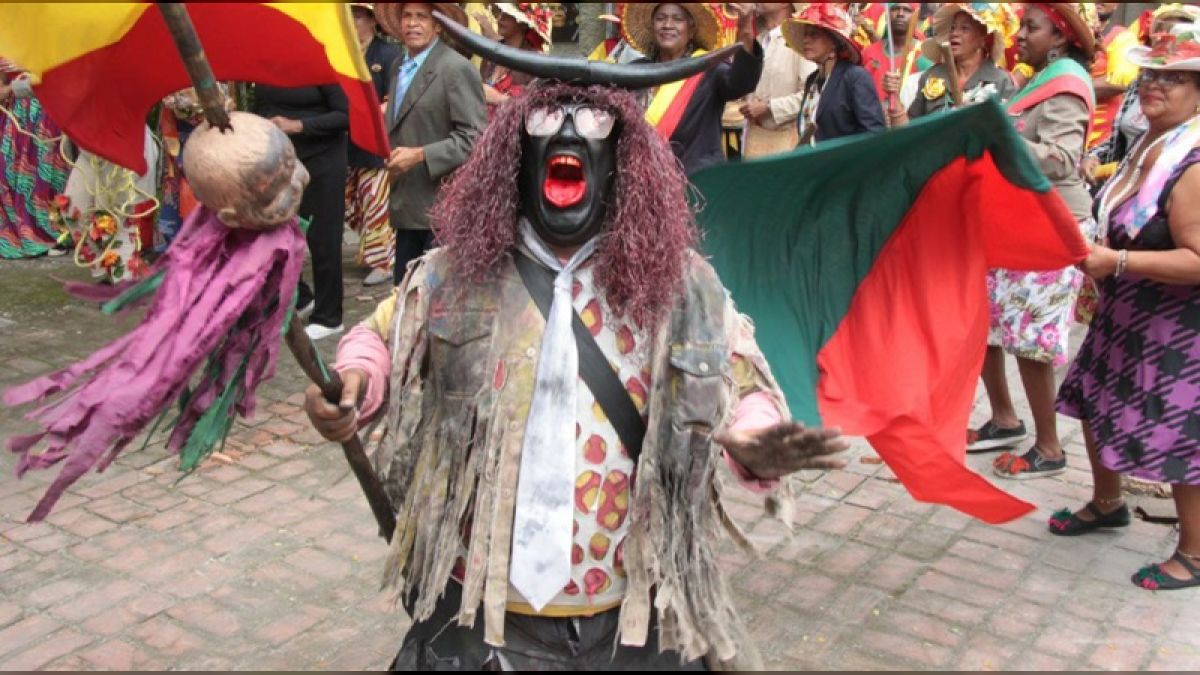
Ramírez explained that this code is a key document for the preservation, transmission and respect of this demonstration. “This document will be a guide to maintaining the authenticity of tradition and promoting training processes with youth, through youth cultural brigades of the Holy Innocents of Caucagua,” he said.
As part of the projections of this expression, the preparation of ethnographic sheets was announced for participation in the next National Meeting of Locos and Locaina s, scheduled to take place from August 29 to 31 in Sanare, Lara state, where representatives from various regions of the country participate. During the day, the centers of ancestral knowledge of the Buroz municipality of Miranda state were also presented, which included the Caucagua Afrobarloventeño group.
The activity was attended by national, regional and local authorities, including: the Deputy Minister of Image and Space Arts, Mary Pemjean; the president of the Center for Cultural Diversity and focal point at Unesco, Professor Benito Yradi; the Secretary of Intangible Cultural Heritage, Mariam Martínez; the president of the Intangible Cultural Heritage Network, Juan Ramón Ojeda, and the mayor of the Acevedo municipality, José Miguel Olivero, who offered his support to the cultural expression of the Bandos and Parrandas of the Holy Innocents of Caucagua.