The Caracas Cable Car was inaugurated 68 years ago
Internet
Published at: 11/12/2023 08:00 AM
On December 11, 1955, the Caracas Cable Car was inaugurated, under the name of “Maripérez-El Ávila Cable Car”. The opening tour was carried out by the then president, General Marcos Pérez Jiménez, who was the driving force behind this great engineering project that would link the Capital District and the state of Vargas.
The cable car was built by the German company Heckel and was kept on trial for four months, during which time it worked only for relevant national and international personalities.
On April 19, 1956, it became operational for the Venezuelan public and was a success right from the start. That day, only 4 cabins operated, with the commitment of the authorities to start up a total of 14 funiculars, which would allow up to 800 people to be transported per hour.
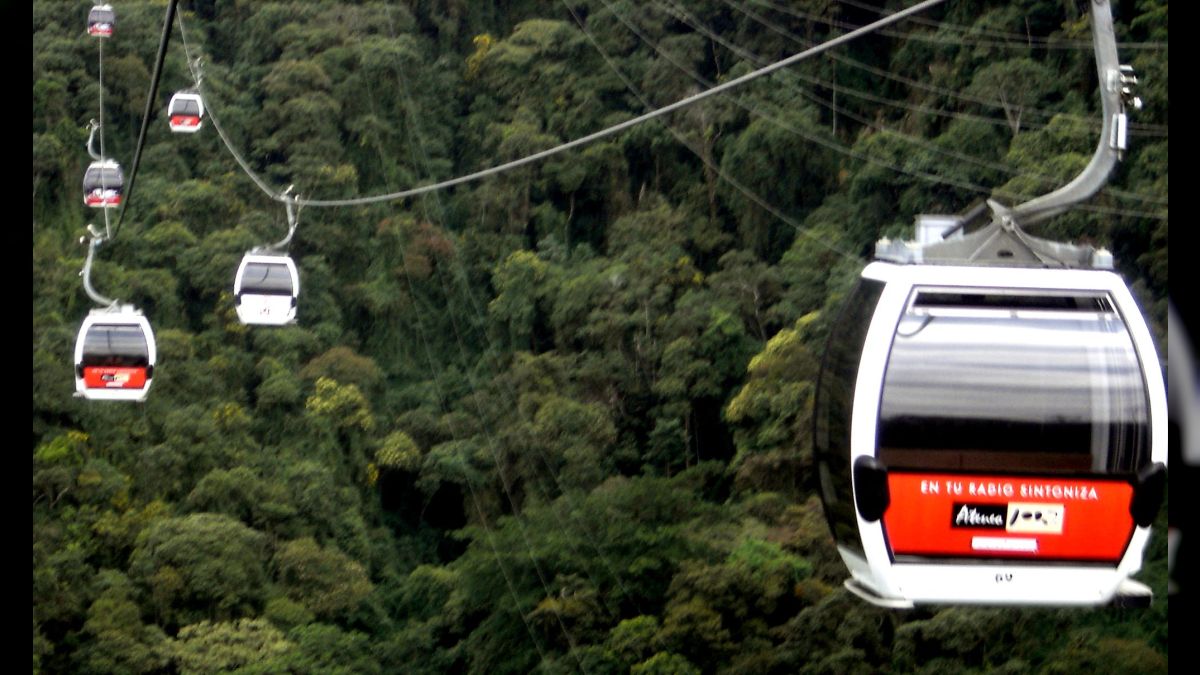
The system eventually consisted of ten cabins, of which eight were red for public use; a presidential one painted gold and stamped with the National Shield; and a white ambulance cabin that was easily identifiable by the green cross on the front.
This innovative system was classified by international experts as “the most modern of its kind” for the time and its quality was to offer visitors great security right from the start.
The modern era of the cable car
After the overthrow of the dictator Marcos Pérez Jiménez, the point-fixist governments privatized the cable car, but in the decade of the 70s until 1999 the work suffered great deterioration and abandonment. Then the “Ávila Mágica” project emerged, led by the company “Inversora Turística Caracas”.
This new phase included the proposal to restore the Humboldt Hotel, activate the route to the Varguense Coast and the construction of a casino, plans that did not materialize.
In 2000, the replacement of the old cable car system with a completely new one, made of Austrian technology, began. This work was commissioned to the company “Doppelmayr” and already in 2001, the new cable car system was reinaugurated, with 84 cabins and a capacity to transport 1,920 people per hour.
Recovery by the Bolivarian Government
Due to the high costs and the difficult access of the people to the services offered on the cable car, the Bolivarian Government decided to withdraw the concession to the company Inversora Turística Caracas, considering that the clauses provided for in the contract were not being complied with.
On August 2, 2007, the cable car passed into the hands of the Venezuelan State, in order to guarantee the right of all Venezuelans to fully enjoy the nation's tourist areas.
In October 2007, the institution was renamed, with the objective of honoring the first inhabitants of the mountain, the Indians of the Caribbean ethnicity, who called it “Wariarepano”, which means “a place where many dantas live”. It was thus established that henceforth it would be called “Warairarepano”, as it is a sound similar to the original word used by the indigenous people.
The Bolivarian Government has continued to generate positive changes that promote healthy leisure and recreation for all citizens alike. The special rate for Social Tourism was created, a new form of tourism that benefits organized communities, grandparent circles, disabled people, and others.
In 2009, the State provided the resources to build the convention center located at the highest altitude in the capital city, which consists of 3700 square meters and is the ideal place for holding large public and private fairs, exhibitions and events.
The Warairarepano Cable Car System, in support of the Management of the Bolivarian Government, celebrates its 68 years of operation, maintaining the commitment to guarantee the Venezuelan people well-being, safety and healthy fun in style, in an environment privileged by the integration of a great work of engineering and the unparalleled blessing of enjoying mountain nature.
YVKE