Venezuela, Russia and 10 other nations signed a declaration in support of the UN Convention against Cybercrime
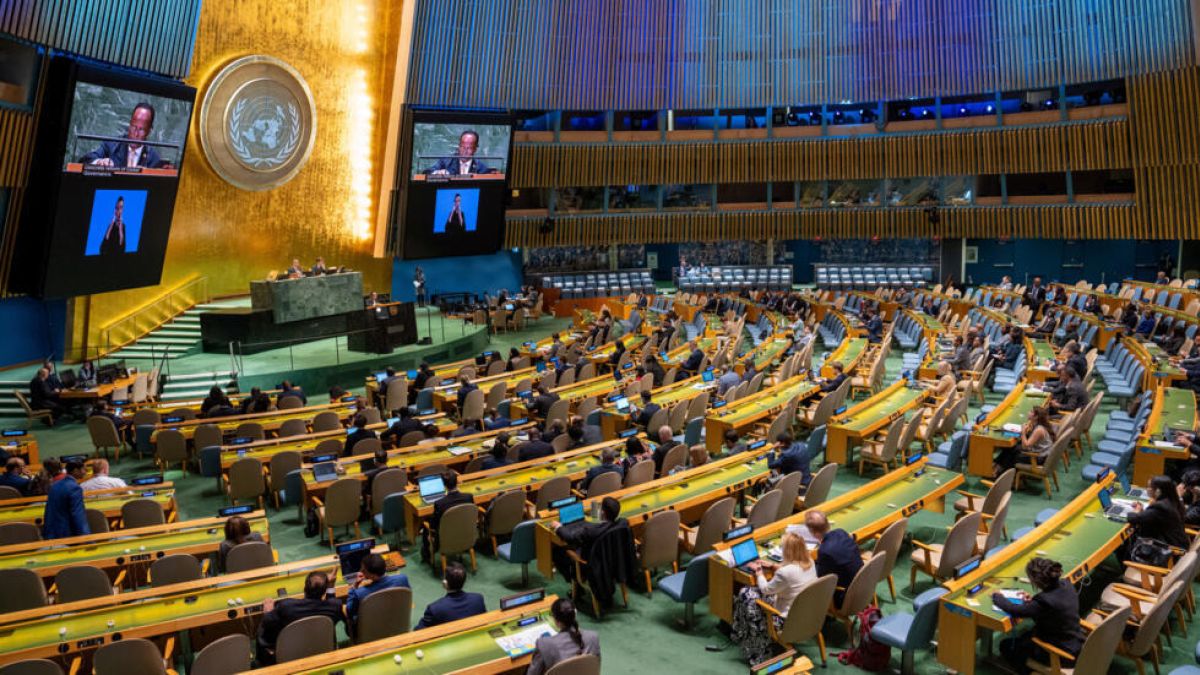
Photo: Internet
Published at: 02/06/2025 02:30 PM
Twelve nations, led by Russia, Cuba, Venezuela, Iran, North Korea and Nicaragua, issued a joint statement on Monday supporting the recent adoption of the UN Convention against Cybercrime.
The statement, released by the signatory diplomatic missions to the UN, celebrates the approval of the convention during the 79th session of the General Assembly, calling it an “unprecedented universal agreement” to combat the use of cyberspace for criminal purposes.
The treaty, promoted at the initiative of Russia and negotiated under the presidency of Algeria, establishes new legal frameworks for international cooperation in the investigation and prosecution of cybercrimes, including the exchange of digital evidence in real time.
The group urged all member States to sign the document during the official ceremony scheduled in Hanoi in 2025, and to continue working on the development of an additional protocol that addresses other crimes enabled by digital technologies, in accordance with General Assembly resolutions 74/247 and 75/282.
In addition to supporting the new convention, the signatory countries called on the UN to establish a Permanent Mechanism for ICT Security, to replace the current open working group on the peaceful use of information technologies (2021—2025).
The objective, as reported by Telesur, would be to consolidate a stable and consensus-based institutional framework for dealing with cybersecurity issues from the perspective of peace and international stability.
The document also launches an explicit criticism of the use of information technologies “for purposes inconsistent with peace-keeping”, including interference in internal affairs, political destabilization and manipulation through satellite Internet networks.
The joint statement underlines the need to strengthen international cooperation and technology transfer to developing countries, as well as the creation of local capacities to prevent and combat cybercrime.
A vision of digital security based on multilateralism, non-interference and respect for the national legislation of each State is proposed.
The text was signed by Russia, Belarus, Burkina Faso, Cuba, North Korea, Egypt, Iran, Iraq, Kyrgyzstan, Laos, Nicaragua and Venezuela, all States that have previously denounced the use of digital technologies for purposes of geopolitical pressure or internal subversion.
Mazo News Team