Colombian Ombudsman's Office: There are 36,000 people displaced by violence in Catatumbo
Internet
Published at: 23/01/2025 11:09 PM
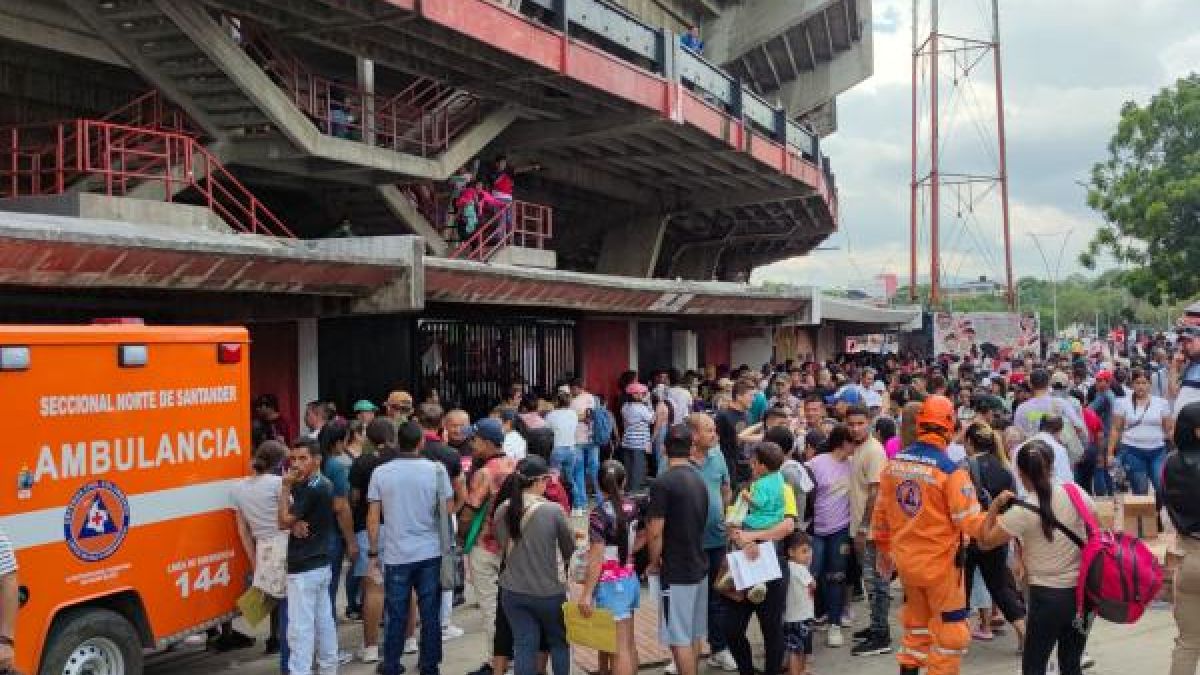
During the evacuations in the Catatumbo region, in Norte de Santander, Colombia, 435 people have been rescued by flights and another 200 have left with the help of the Army.
The aforementioned area is going through a serious humanitarian crisis that has left at least 80 dead, while 36,000 people from that town have been forced to move, in a context where violence and threats have increased exponentially, the Colombian Ombudsman's Office reported, through its account on the social network X.
The most recent report by the Ombudsman's Office highlights not only forced displacement, but also a series of homicides and kidnappings that mainly affect social leaders and peace signatories.
It points out that a significant number of communities are still trapped in a cycle of violence, with a sense of helplessness and vulnerability.
Humanitarian assistance has begun to reach affected areas, although the need is overwhelming. In Ocaña, 25 tons of aid have been distributed, while in Tibú, one ton was sent by air.
However, the numbers are insufficient given the magnitude of the crisis, which requires a more effective and coordinated response.
Among the group of those affected, peace signatories are especially vulnerable.
Six murders and 102 displaced persons have been reported in this category, evidencing a worrying pattern of violence directed at those who have sought reconciliation in the country.
The Ombudsman's Office has data that indicate around 60 homicides. To date, Legal Medicine has identified 41 bodies, of which 34 have been handed over to their families, further complicating the landscape of violence.
The most vulnerable groups, such as indigenous communities and children, also face critical situations. In particular, 631 people have been reported displaced from the Yukpa community and it is estimated that between 1,500 and 1,800 boys and girls are directly affected in Cucuta.
Living conditions in shelters are precarious, with urgent needs for food, hygiene supplies and mattresses.
Mazo News Team