Minister Ernesto Villegas presented his book “Maja Mía” in Mexico City
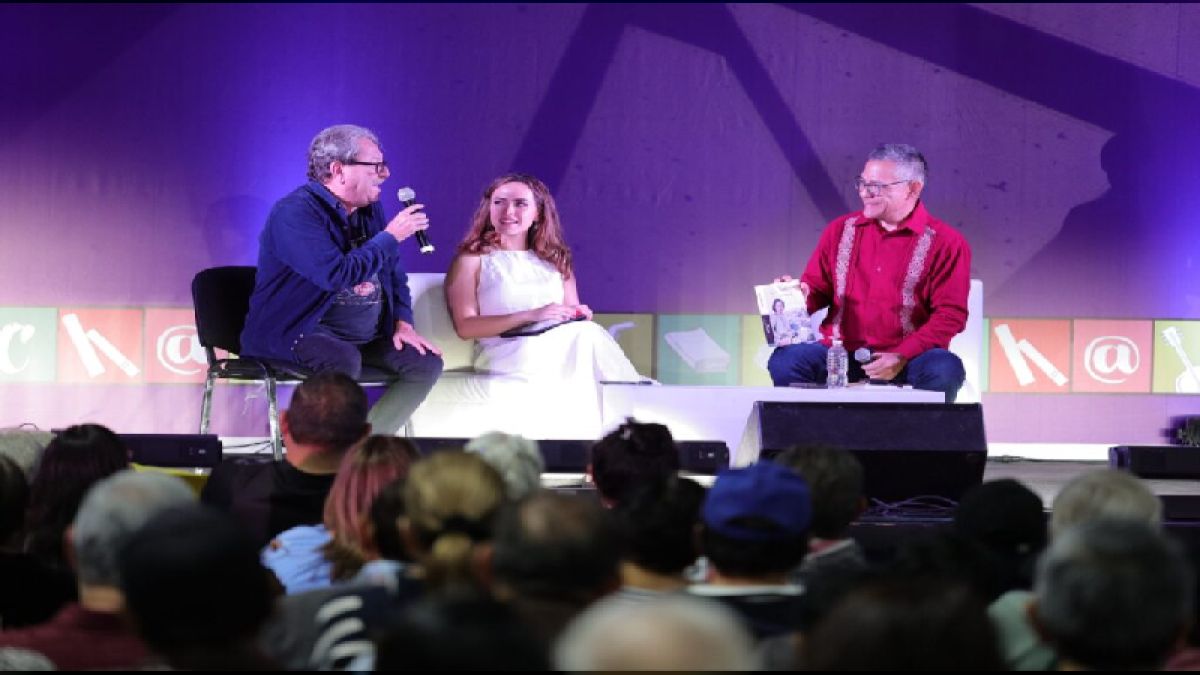
Internet photo
Published at: 20/10/2025 08:52 AM
The Venezuelan Minister of Popular Power for Culture, Ernesto Villegas, presented his book “Maja Mía” last Saturday at the 25th International Book Fair of the Zócalo (FILZ), in Mexico City.
From the Sor Juana Inés de la Cruz room, Villegas shared with the public that this work is an emotional tribute to his mother, Maja Poljak, on the occasion of her centenary, and an immersion in her life story marked by historical events of the 20th century.
“Maja's life is the common thread for looking at the world in which she had to work. This book keeps talking. As history continues to move, it provides data to look into the past at the roots of the stormy times that humanity has to live in today,” he said.
He also stressed that his mother's story is one of resistance, in the face of supremacism, Nazism and fascism, ideologies that today have strong “regroups”.
In this regard, she recalled her mother's deep bond with politics, an admirer of the Soviet Union and, later, a follower of the political project led by Hugo Chávez, with whom she “fell madly in love”.
“Chávez became the companion, brother, uncle, confessor and mentor of many men and women who developed tremendous empathy with him and his Bolivarian project,” he said.
On the other hand, Villegas expressed his rejection of ethnic supremacy, “that there is no chosen people, but that humanity is chosen to preserve life on the planet, to interrelate on an equal basis”.
In addition, he said that his mother instilled in her children Venezuelanism, “we grew up in a purely Venezuelan environment. We feel profoundly Venezuelan and we are also proud of the diversity of being Venezuelan.”
In turn, he stressed that “Maja Mia” arose from the need to highlight the figure of Maja for her own achievements, so that she would not be known simply as “someone's wife or mother”. The book seeks to leave a record of their family history for their descendants, highlighting the importance of documenting the experiences of their ancestors who were victims of fascism.
VTV