Reforestation day in Caricuao strengthens the plant lungs of Caracas
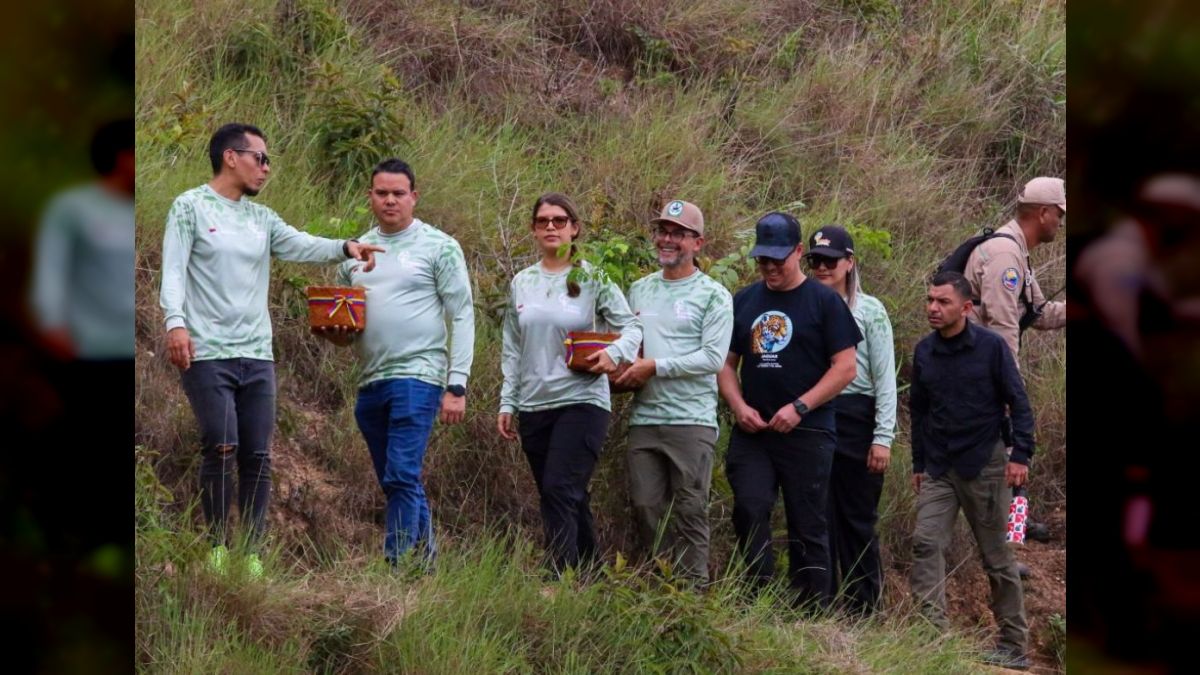
Photo: Internet
Published at: 06/06/2026 10:20 AM
At the facilities of the Universal Park for Peace, located in the ecological parish of Caricuao, in Caracas, the national government began an important day of reforestation that contemplates the recovery of more than two hectares of land through the planting of forest and fruit species.
The president of the National Park Institute (INPARQUES) of Venezuela, Rosinés Chávez Rodríguez, led the strategic action seeking the restoration of key natural spaces within the urban environment, promoting soil recovery and biodiversity in one of the areas of greatest environmental value in the capital.
The activity, which involved the active participation of youth movements and organized popular power, focused on rescuing the urban landscape and strengthening the plant lungs of the capital city through the planting of specimens of araguaney, mango and the emblematic Nogal de Caracas, an endemic and protected species of the Waraira Repano mountain range that is in critical danger of extinction.
The commitment of the volunteers was essential to ensure the correct planting of these specimens, ensuring their preservation in an area of high ecological importance.
This socio-environmental deployment is part of a national plan that is simultaneously multiplied by more than 89 hectares throughout the Venezuelan territory, mobilizing communities in a collective effort to restore the country's ecosystems and compensate for the effects of climate change on Mother Earth.
The articulation between authorities and popular organizations allows these initiatives to transcend the local, being integrated into a comprehensive conservation strategy that seeks to reverse environmental damage through direct and planned actions.
With a planned large scale goal of planting 10 million additional trees, this country's environmental policy seeks to ensure ecological renewal and productive sustainability of the nation, guaranteeing a healthy and sovereign environment for future generations.
The continuity of these tasks, together with the technical monitoring of the species planted, constitutes a fundamental pillar for consolidating the ecological resilience of the territory and moving towards the sustainable development model promoted by the National Executive.
Mazo News Team