Zuliano scientists are studying the use of substrate as a support for the production of bioinputs
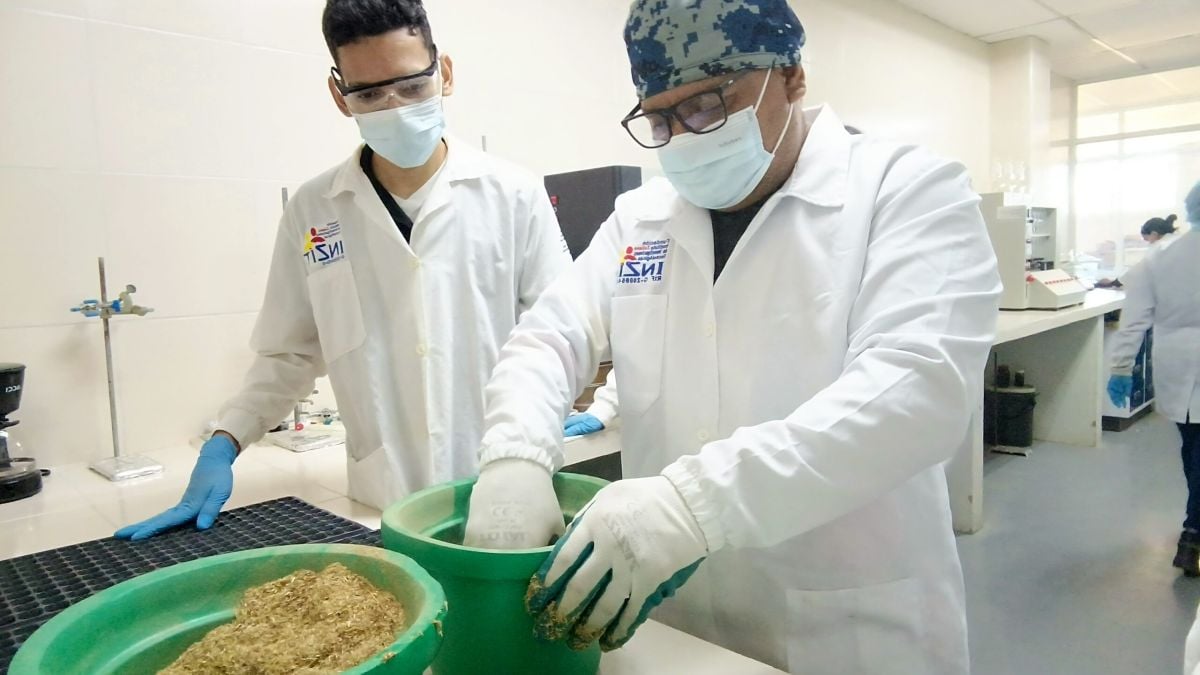
Photo: Mincyt
Published at: 18/02/2025 09:15 AM
Researchers from the Agrifood Coordination of the Zuliano Institute for Technological Research (Inzit) are exploring substrate as a support for the mass production of bioinputs, which will be used to combat fungal diseases in chili pepper cultivation.
According to a press release released by the Ministry of Science and Technology, grass is being tested for research to be used as a substrate in the multiplication of the antagonistic fungus Trichoderma.
Experts carry out tests to ensure the availability of the substance to replace conventional ones, such as whole grain rice, which has a relatively high cost, in addition to the search for good development and a high production of viable spores.
The agronomist, Willy Gómez, pointed out that grass, being an inert and abundant material, has become a viable option to improve the quality of the production of the antagonist fungus, which will be used to combat diseases caused by Fusarium sp. that cause large crop losses.
In the Inzit laboratories, these tests are carried out, to support this technique, to verify its efficiency in the mass production of these bioinputs. If positive results are obtained with this substrate, a favorable environment could be created for their development, which contributes to the natural protection of chili pepper plants without resorting to chemical fungicides.
With these studies carried out, the Bolivarian Government, through Mincyt and its affiliated entities, is making progress in promoting the use of antagonistic fungi, such as Trichoderma sp.wl, which represents a significant advance in the replacement of chemical fungicides, offering a natural and sustainable solution to protect and improve chili production in the region.
Mazo News Team