AN approved Agreement for the International Day for the Elimination of Violence against Women
Internet
Published at: 26/11/2024 10:30 PM
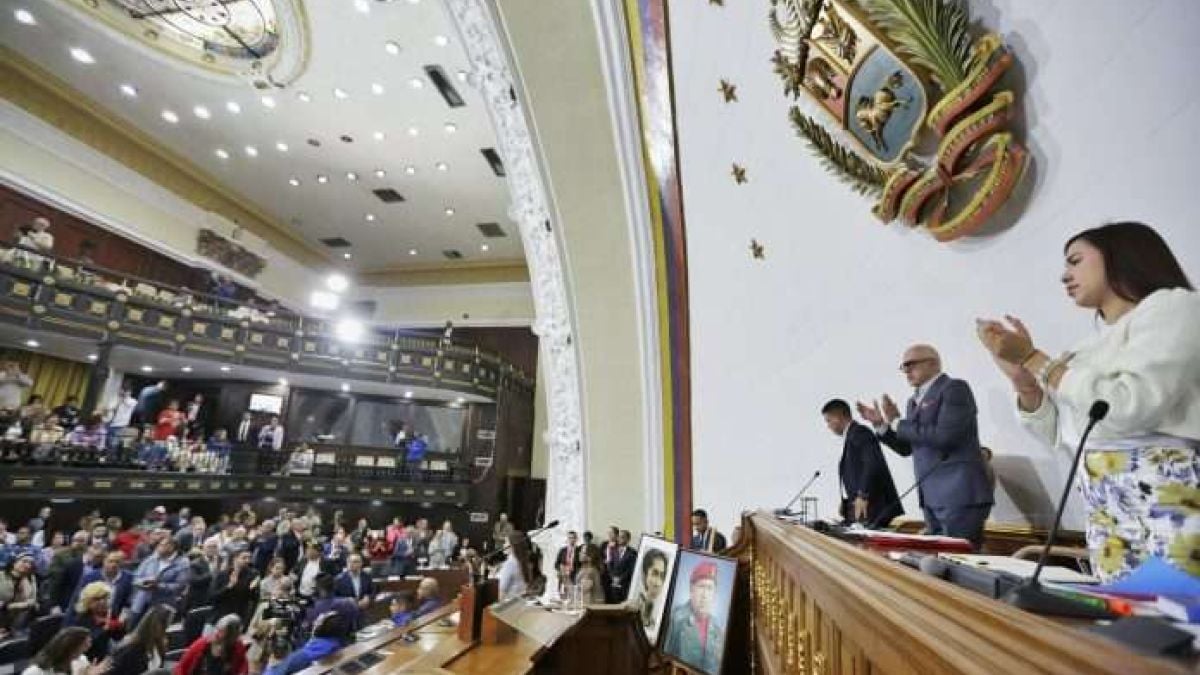
The National Assembly (AN) approved a Draft Agreement commemorating the International Day for the Elimination of Violence against Women.
In the regular session of this Tuesday, November 26, the Agreement presented by Deputy María Rosa Jiménez, which highlights “the real fight against this scourge that does so much harm to our societies, as well as defending and promoting women's rights to a life free of violence”.
Jiménez recalled that since the coming to power of Commander Hugo Chávez Frías, women have been recognized, made visible and vindicated, as an important actor in the country's development.
In addition, he stressed that the Venezuelan State, in compliance with signed agreements, has developed policies to sanction and condemn all forms of violence with the support of social movements.
She specified that in reviewing the historical thread, women have fought for years in the continent, the Caribbean and the world, to make their voices heard against a scourge that continues to haunt the product of patriarchal culture, she said.
Jiménez added that it is time to reflect on the progress achieved and the challenges that still persist in the search for a more just and inclusive society.
He recognized the advances that have vindicated the rights of Venezuelan women since the legislative period of 2021-2026.
The document urges “to ensure that the laws issued by this National Assembly on the protection of women are effectively applied throughout the national territory, making the necessary links with the rest of the Public Powers”.
On the other hand, the Agreement establishes “promoting and participating in information campaigns through the media and social networks that educate citizens on the prevention of behaviors, which lead to any form of violence against women, by replicating sexist cultural patterns that affect the family”.
Mazo News Team