In 2024, HIDROBOLIVAR recovered 90% of its operations
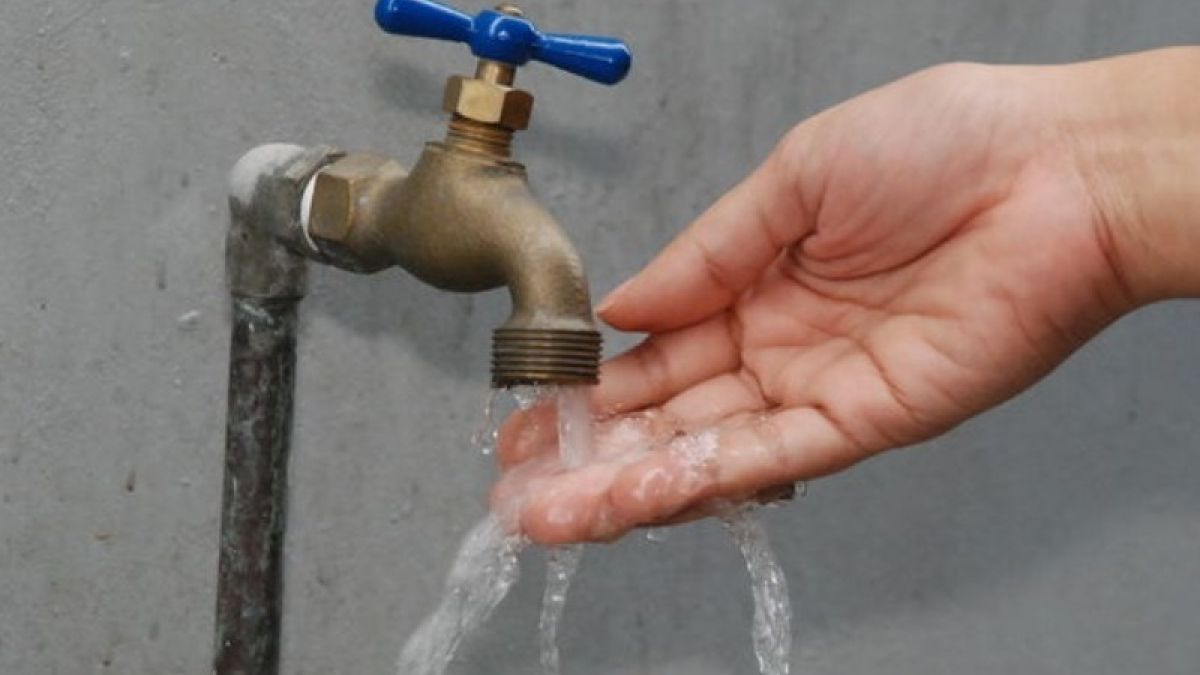
Photo: Internet
Published at: 28/12/2024 10:48 AM
During 2024, the operation of aqueducts and pumping systems of the Bolivar Hydrological Plant (HIDROBOLIVAR) recovered by more than 90 percent, the governor of the entity, Ángel Marcano, reported.
Marcano recalled that when he assumed his current term of office at the end of 2021, he found that HIDROBOLIVAR was operating at less than 36% of its technical capacity, which indicated that most households did not receive drinking water through pipes most of the time and sometimes faced cuts of several days.
He explained that a large part of this problem arose from the economic blockade promoted by the right wing against Venezuela, which prevented state companies such as HIDROBOLÍVAR from acquiring supplies and spare parts for their treatment plants, pumping systems, adduction systems and other facilities related to the purification and distribution of drinking water in homes and businesses.
He noted, as reported by the Venezuelan News Agency (AVN), that one of the biggest problems was the impossibility of buying the high-power pumps used in rafts abroad, which take water from the entity's rivers and lakes to send it to treatment plants in the different municipalities.
He noted that this situation was resolved with the strong support of President Nicolás Maduro and the Ministry for Water, as well as the commitment and capacity of the workers at HIDROBOLÍVAR, who carried out various projects to recover equipment and reactivate systems affected by the lack of spare parts and supplies.
“By 2025, we have the goal of achieving 100 percent operation,” he said, while mentioning among the priorities for the new year the recovery of the San Félix aqueduct, which will guarantee the supply of water to the Vista al Sol and 11 de Abril parishes in the eastern part of Ciudad Guayana.
He noted that a permanent maintenance plan was also activated in all the entity's water treatment plants, in order to prevent failures and ensure permanent operation of equipment in urban, peri-urban, rural and indigenous areas.
He also highlighted the effort made to increase the number of drilled wells and autonomous purification units installed in rural and indigenous communities located far from the reach of the main aqueduct networks.
Mazo News Team